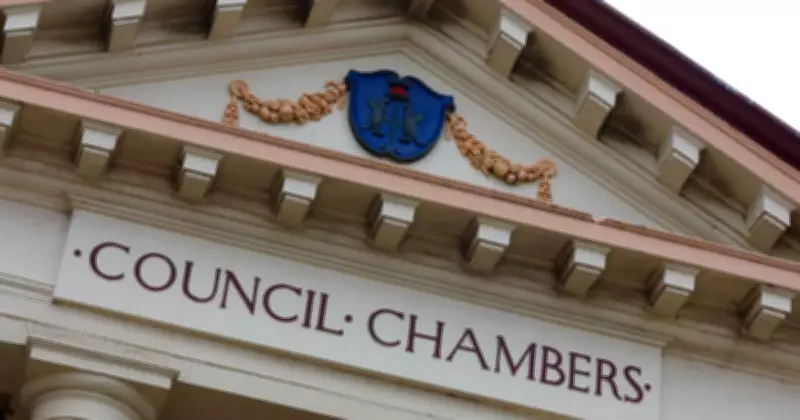
Kiama Council's Budget Crisis: A Legacy of Past Errors and Community Resistance
Residents of Kiama are rightfully frustrated over recent budget cuts, but their anger may be misdirected. Rather than targeting the current council and CEO, the blame should fall on previous decision-makers and the community's own resistance to change, which have collectively plunged the council into financial turmoil.
Historical Decisions Haunt Current Council
This week, Kiama Council voted narrowly, four to three, to implement budget cuts aimed at saving at least $5.4 million. These cuts will result in approximately 30 job losses and the elimination of Youth, Cultural, and Community Services. A last-ditch appeal to Local Government Minister Ron Hoenig seeks to avert these drastic measures, but the council is under pressure to comply with a state government Performance Improvement Order (PIO).
The PIO, initially issued by former Coalition Local Government Minister Wendy Tuckerman and extended by Mr. Hoenig, listed a staggering 74 items requiring correction. This extensive list underscores the deep-seated financial issues that were not created by the current leadership but inherited from their predecessors.

The Blue Haven Bonaira Debacle
The root of Kiama Council's financial woes can be traced back to the decision to construct Blue Haven Bonaira, an aged care facility. Two decades ago, the NSW Audit Office advised local councils to exit aged care services. While Wollongong and Shellharbour complied, Kiama Council doubled down, investing heavily in Blue Haven Bonaira.
This project proved catastrophic, with building costs skyrocketing by an astonishing $63 million, from an initial $40 million to $103 million. To cover part of this blowout, the council drained approximately $26 million from its coffers—equivalent to a full year's rate revenue. Additionally, the council is saddled with repaying a $60 million loan taken out for the project, further straining its finances.
NIMBYism and Stagnant Population Growth
Compounding the council's financial struggles is the community's strong opposition to new development, often labeled as NIMBYism (Not In My Backyard). While preserving Kiama's small-town charm is understandable, this resistance comes at a significant cost. Council revenue primarily derives from rates, which increase with population growth. However, Kiama's population has remained stagnant for over a decade, leading to stagnant rates revenue.
Meanwhile, council expenses—such as labor, construction, and utilities—continue to rise. In the upcoming financial year, rates will increase by only 3.2 percent, below the Consumer Price Index of around 3.7 percent, exacerbating the budget shortfall. Without new developments like apartment blocks to attract residents and boost rates revenue, the council faces a perpetual cycle of spending more than it earns.
Moving Forward: A Call for Balanced Development
The current council members, who are tasked with cleaning up the mess left by others, find it particularly frustrating to face criticism from those who were involved in the original decisions. To avoid future cuts, Kiama must embrace a more balanced approach to development. This does not mean approving every project but rather avoiding a blanket rejection of all proposals.
Increased population growth would provide the necessary revenue to maintain high-quality services without resorting to austerity measures. Residents cannot expect top-tier council services without the financial means to support them, highlighting the urgent need for community cooperation and strategic planning.