QCAT Supports Townsville Council's Decision to Destroy Dangerous Dogs
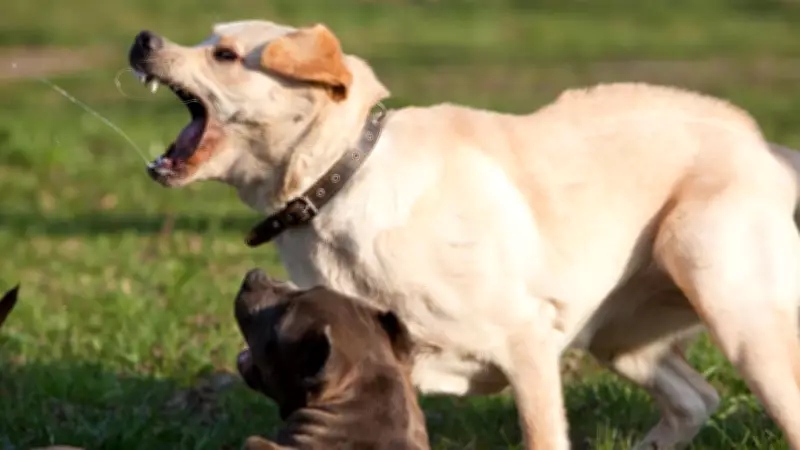
The Queensland Civil and Administrative Tribunal (QCAT) has recently upheld a decision by the Townsville City Council to euthanize several dangerous dogs, reinforcing the council's authority in managing public safety risks. This ruling comes after a series of appeals from dog owners who contested the council's actions, arguing that their pets posed no significant threat. However, QCAT found that the council had acted within its legal powers and followed proper procedures in determining the dogs as dangerous under local regulations.
Legal Basis and Public Safety Concerns
In its detailed judgment, QCAT emphasized that the council's decision was based on substantial evidence, including documented incidents of aggressive behavior and expert assessments. The tribunal noted that public safety must take precedence in such cases, particularly in urban areas like Townsville where interactions between humans and animals are frequent. This ruling sets a precedent for how local governments in Queensland can enforce animal control laws to protect communities.
Furthermore, QCAT highlighted that the council had provided multiple opportunities for the dog owners to appeal or present mitigating evidence, but these efforts were insufficient to overturn the initial determination. The tribunal's decision underscores the importance of compliance with animal management laws, which are designed to prevent harm and ensure responsible pet ownership.

Implications for Dog Owners and Local Governance
This case has significant implications for dog owners in Townsville and across Queensland. It serves as a reminder that local councils have the authority to take decisive action when animals are deemed dangerous, and owners must adhere to strict regulations to avoid such outcomes. The ruling also reinforces the role of QCAT as an impartial body that reviews council decisions to ensure fairness and legality.
Moving forward, Townsville City Council may use this decision to strengthen its animal control policies, potentially leading to more rigorous enforcement and public education campaigns. Community members are encouraged to report any concerns about dangerous animals promptly, as timely intervention can prevent incidents and support safer neighborhoods.
In summary, QCAT's affirmation of the council's decision highlights a balanced approach between animal welfare and public safety, ensuring that legal frameworks are upheld to protect all residents.