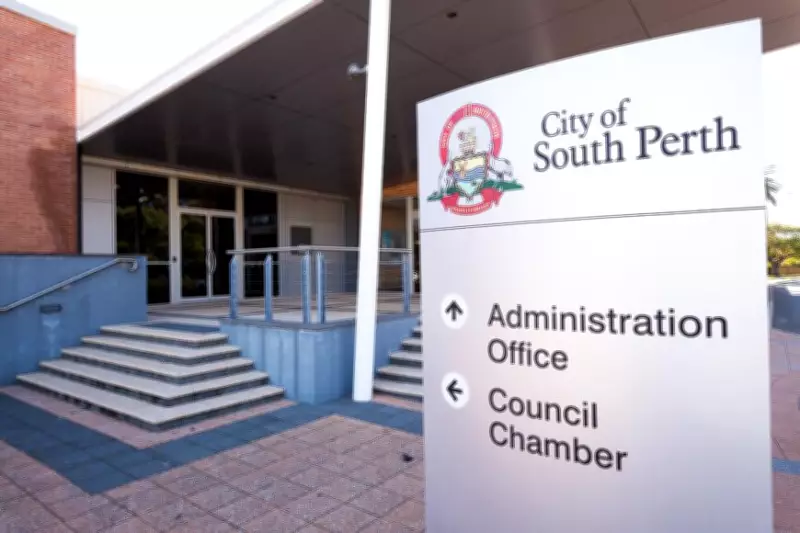
South Perth Council Declines to Release Audio from Public Meeting on Governance Reports
The City of South Perth has sparked controversy by refusing to release audio recordings of a public meeting where damning governance reports were discussed. This decision has raised significant concerns about transparency and accountability within the local government, as residents and stakeholders seek clarity on the findings and implications of these critical reports.
Details of the Governance Reports
The governance reports in question, which have been described as highly critical, address various issues within the council's operations and management practices. While specific details of the reports have not been fully disclosed, they are understood to highlight potential shortcomings in governance structures, decision-making processes, and compliance with regulatory standards. The public meeting was convened to allow council members and the community to discuss these findings openly, but the withholding of audio recordings has limited public access to the full discourse.
Transparency Concerns and Public Reaction
Local residents and advocacy groups have expressed frustration over the council's refusal to release the audio, arguing that it undermines the principles of open government. In an era where transparency is increasingly demanded by constituents, this move has been viewed as a step backward. Critics contend that without access to the recordings, the public cannot fully understand the context of the discussions or hold elected officials accountable for their responses to the governance issues raised.

Key points of concern include:
- The potential for selective disclosure of information that may favor the council's narrative.
- Questions about whether the decision aligns with legal requirements for public access to government records.
- The impact on community trust in local governance, especially in light of the damning nature of the reports.
Council's Justification and Legal Implications
The City of South Perth has cited various reasons for withholding the audio, though these have not been detailed publicly. Possible justifications might include privacy concerns, legal advice, or procedural matters related to the meeting. However, experts in local government law suggest that such refusals could be challenged under freedom of information laws, which typically mandate transparency for public meetings unless specific exemptions apply.
This situation highlights ongoing tensions between government secrecy and public right-to-know, particularly in cases involving sensitive governance reviews.
Broader Implications for Local Government
This incident is not isolated, as similar issues have arisen in other Australian local governments, reflecting a broader debate over transparency standards. The refusal to release audio recordings could set a precedent that affects how other councils handle public disclosures in the future. Stakeholders are calling for clearer guidelines and stronger enforcement of transparency measures to ensure that governance processes remain open and accountable to the communities they serve.
As the controversy unfolds, the City of South Perth faces mounting pressure to reconsider its position and provide greater access to the meeting recordings. The outcome may influence public confidence in local governance and shape future practices regarding the release of information from public forums.