WA Councils Brace for Significant Rate Hikes and Service Reductions
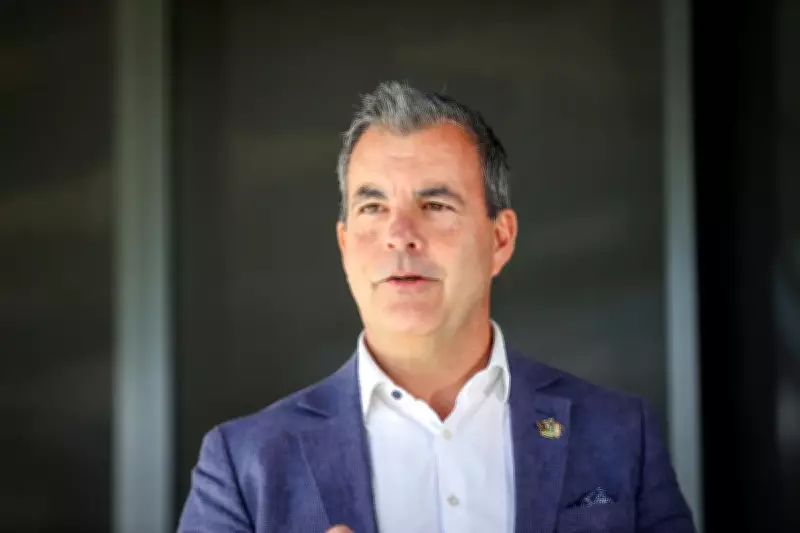
Ratepayers across Western Australia are being advised to prepare for potential council rate increases of up to 8 per cent, alongside cuts to non-essential services, as local governments confront escalating financial pressures. Mark Irwin, the recently elected president of the WA Local Government Association (WALGA) and mayor of the City of Stirling, has highlighted the challenging economic environment driving these measures.
Mounting Cost Pressures Force Tough Decisions
In a recent interview with the ABC, Mr Irwin emphasised that councils are struggling to absorb rising costs in areas such as fuel, materials, and overheads. "It'd be naive to think that with everything that's happening at the moment, rates across the board aren't going to increase," he stated. He projected that rate hikes would likely range between 5 and 8 per cent, a significant jump from the 1 to 3 per cent increases seen in recent years.
Mr Irwin explained that local governments face difficult choices: either absorb some of these costs or pass them on to residents. "When you go and you pay more for fuel, so is your local government paying more for fuel. They can only absorb so much of that," he noted. Key infrastructure projects, including roads, drainage, footpaths, and lighting upgrades, are particularly affected, with cost projections for materials like bitumen surging by 20 to 60 per cent.

Examples from Local Councils
To illustrate the broader trend, several Perth councils have already implemented moderate rate increases in the past year:
- The City of Stirling recorded an average residential rate rise of 4.5 per cent.
- The City of Wanneroo saw a 3.5 per cent increase.
- The City of Joondalup increased rates by 3.95 per cent.
In Perth's western suburbs, similar margins were observed, with the City of Nedlands passing a 4.8 per cent rise, the Town of Cottesloe settling on 3.9 per cent, and the Town of Cambridge on 3.3 per cent. Despite Stirling's strong financial position, with approximately $138 million in cash reserves and $2.9 billion in assets, its 2025-26 budget allocated $24.9 million to infrastructure renewals, underscoring the widespread nature of these cost challenges.
Focus on Efficiency and Community Input
Mr Irwin stressed that councils are committed to improving efficiency and will review spending on items such as events and arts projects. "You're also going to see a reduction, perhaps in non-essential services or maybe some of those nice-to-haves," he said. He highlighted the importance of community consultation in the budget process, noting that councils seek input to prioritise essential services over discretionary ones.
"A big part of the budget process is going out and asking the community what their expectations are in terms of the services they receive. Some of those are essential services. Some of them not so essential," Mr Irwin added. He reassured residents that councils, comprised of local community members, do not take rate increase decisions lightly and aim to reflect community needs in their deliberations.
As local governments across WA navigate these financial hurdles, ratepayers can expect a year of difficult budgetary choices, with higher rates and trimmed services likely on the horizon.