Wollongong Council Debates E-Bike Levy After Controversial Fee Proposal
Wollongong Council Debates E-Bike Levy Fee Proposal

Wollongong Council Debates E-Bike Levy After Controversial Fee Proposal

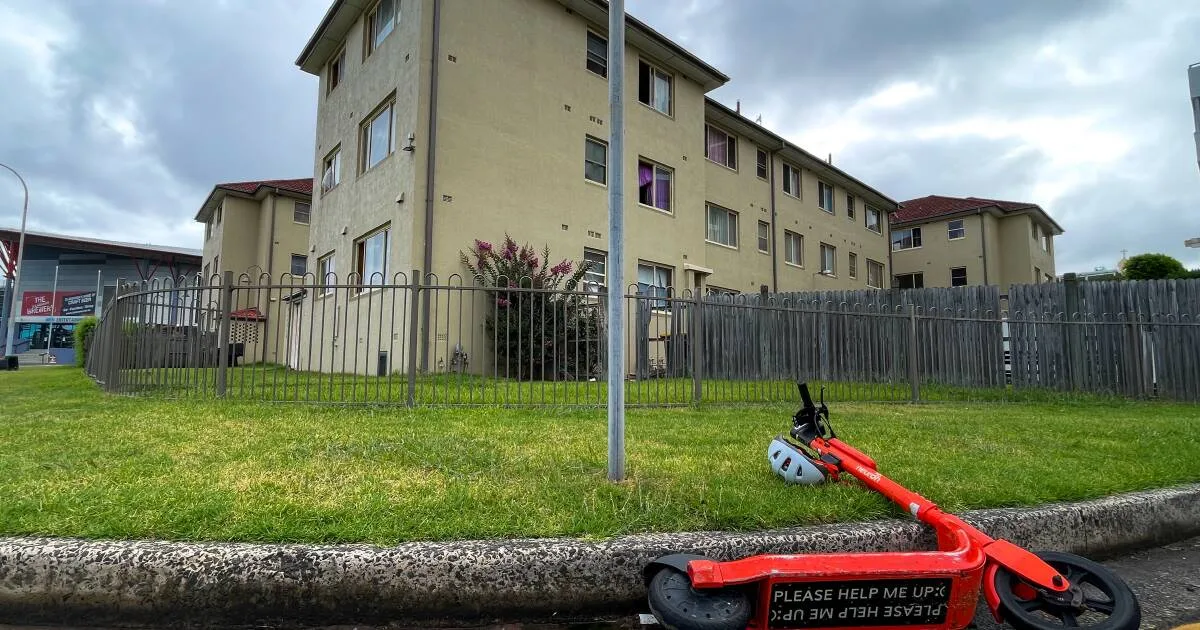
Wollongong City Council is currently embroiled in a heated and divisive debate over a proposed levy on electric bicycles, following the introduction of what some councillors have labelled an "outrageous" fee structure. The discussion has highlighted deep splits within the council regarding the fairness and potential consequences of imposing such charges on e-bike users.

Controversial Levy Proposal Sparks Council Division

The controversy centres on a newly suggested levy that would require e-bike owners to pay a fee, similar to those applied to motor vehicles. Proponents of the levy argue that it is necessary to fund infrastructure improvements and ensure that all road users contribute equitably to maintenance costs. However, opponents have strongly criticised the proposal, describing it as excessive and counterproductive to the city's goals of promoting sustainable and environmentally friendly transport options.

During recent council meetings, debates have become increasingly intense, with councillors expressing sharply differing views. Some members have pointed out that e-bikes produce zero emissions and help reduce traffic congestion, making them a key component of Wollongong's green transport strategy. They contend that imposing a levy could discourage adoption and undermine efforts to combat climate change.

Wide Pickt banner — collaborative shopping lists app for Telegram, phone mockup with grocery list

Arguments For and Against the E-Bike Fee

Supporters of the levy maintain that as e-bikes become more popular, they place additional wear and tear on bike lanes and shared pathways, necessitating extra funding for upkeep. They also suggest that the fee could be structured to be minimal, ensuring it does not overly burden users while still generating revenue for necessary projects.

On the other hand, critics argue that the levy is disproportionate, especially when compared to fees for cars and motorcycles, which have a much larger environmental impact. They emphasise that e-bikes offer significant health and economic benefits, such as reduced healthcare costs and lower transportation expenses for residents, and that penalising them with a levy could stifle these advantages.

Potential Impacts on Sustainable Transport Initiatives

The outcome of this debate could have far-reaching implications for Wollongong's transport policies and its commitment to sustainability. If the levy is approved, it may set a precedent for other councils considering similar measures, potentially affecting e-bike adoption rates across the region. Conversely, if the proposal is rejected, it could reinforce the city's support for active transport and encourage further investment in cycling infrastructure without additional user fees.

Residents and local advocacy groups have also weighed in on the issue, with many expressing concerns about the potential cost increases for e-bike owners. Public feedback sessions are expected to play a crucial role in the council's final decision, as officials seek to balance fiscal responsibility with environmental and social objectives.

Looking Ahead: Council's Next Steps

As the debate continues, Wollongong City Council is scheduled to review the levy proposal in upcoming meetings, with a vote anticipated in the coming weeks. The decision will likely hinge on finding a compromise that addresses infrastructure funding needs without undermining the city's green transport goals. This ongoing discussion underscores the broader challenges local governments face in adapting policies to new technologies while promoting sustainable urban development.

Pickt after-article banner — collaborative shopping lists app with family illustration