Albanese's National Address Sparks Criticism as 'Group Hug' in Crisis
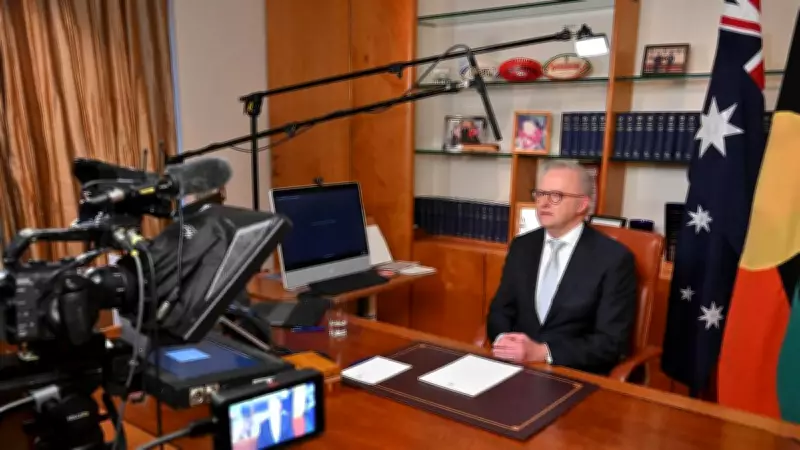
Prime Minister Anthony Albanese's recent national address has come under fire from commentator Ben Harvey, who described it as akin to a "simulcast for a group hug" during a time of genuine crisis. Harvey's critique, published in The West Australian, argues that the speech lacked the substantive action and decisive leadership needed to address pressing national issues, instead opting for a sentimental and unifying tone that may fall short in practical terms.
Critique of Sentimental Leadership
In his opinion piece, Harvey contends that while Albanese's address aimed to foster national unity and empathy, it failed to provide concrete solutions or clear directives for the challenges at hand. He suggests that in times of real crisis, such as economic instability or social unrest, voters expect more than just comforting words; they demand actionable plans and strong governance. Harvey's analysis highlights a growing concern among some observers that the government's approach may be too soft, prioritizing emotional appeal over hard-nosed policy-making.
Context of the National Address
Albanese's address was delivered amid ongoing national issues, including economic pressures, climate change concerns, and social divisions. The Prime Minister emphasized themes of togetherness, resilience, and collective effort, urging Australians to stand united. However, Harvey points out that this message, while well-intentioned, may not resonate with those seeking immediate relief or tangible outcomes. He compares the speech to a broadcast designed for emotional connection rather than strategic guidance, questioning its effectiveness in a crisis environment.

Broader Implications for Political Leadership
This criticism raises broader questions about the role of leadership in modern politics. Harvey's perspective suggests that there is a delicate balance between inspiring hope and delivering results, and that Albanese's address may have tipped too far toward the former. As debates continue over the government's handling of crises, this incident underscores the importance of clear communication and decisive action in maintaining public trust. The response from other political analysts and the public will likely shape future addresses and policy directions.
Conclusion
In summary, Ben Harvey's critique of Anthony Albanese's national address as a "group hug" simulcast highlights a significant divide in perceptions of effective crisis leadership. While the Prime Minister's focus on unity is commendable, critics argue that it must be backed by robust policies to address real-world problems. As Australia navigates complex challenges, the debate over this address serves as a reminder of the high stakes involved in political communication and governance.