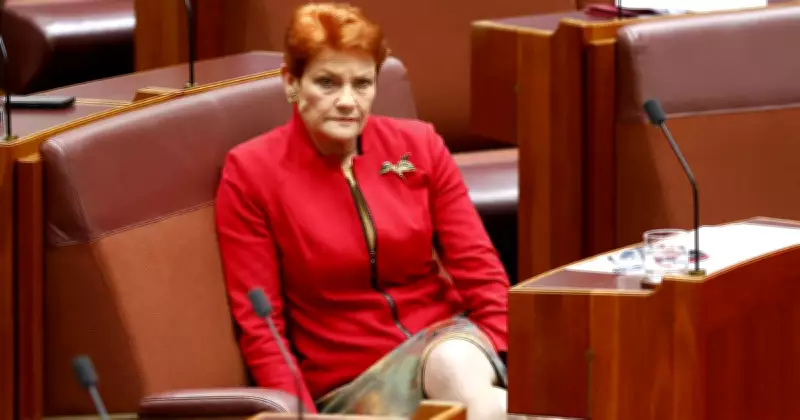
Grattan Institute Condemns Pauline Hanson's Divisive Rhetoric
The Grattan Institute, a prominent Australian public policy think tank, has launched a strong criticism of Pauline Hanson, the leader of the One Nation party, over her use of divisive rhetoric. In a recent analysis, the institute highlighted how Hanson's inflammatory language is exacerbating social tensions and contributing to a climate of political instability across the nation.
Rising Tensions in Australian Politics
According to the Grattan Institute's report, Hanson's statements on issues such as immigration, multiculturalism, and national identity have been particularly polarizing. The institute argues that this rhetoric not only deepens existing societal divides but also undermines public trust in democratic institutions. As political tensions continue to rise, the Grattan Institute warns that such divisive discourse could have long-term negative impacts on social cohesion and policy-making processes.
Key findings from the Grattan Institute include:

- Hanson's rhetoric often targets minority groups, fostering an environment of exclusion and hostility.
- This language has been linked to increased public anxiety and a rise in hate speech incidents.
- The institute calls for more responsible political communication to mitigate these effects.
Impact on Social Cohesion and Policy
The Grattan Institute emphasizes that divisive political rhetoric, like that employed by Hanson, can hinder effective governance by creating barriers to bipartisan cooperation. In a time when Australia faces complex challenges such as economic recovery and climate change, the institute stresses the need for unity and constructive dialogue. The report suggests that political leaders should prioritize inclusive language and evidence-based arguments to foster a healthier political environment.
Experts from the Grattan Institute note that while free speech is a cornerstone of democracy, it must be balanced with social responsibility to prevent harm to vulnerable communities. They advocate for media literacy programs and public education initiatives to help citizens critically evaluate political messages and resist divisive narratives.
Broader Implications for Australian Democracy
Beyond the immediate social tensions, the Grattan Institute's critique raises concerns about the long-term health of Australian democracy. The institute points out that when political discourse becomes overly adversarial, it can erode public confidence in the political system and lead to voter disengagement. This, in turn, may result in lower participation rates and a weakening of democratic norms.
In response to these challenges, the Grattan Institute recommends:
- Implementing stricter codes of conduct for political communication.
- Encouraging cross-party collaboration on key national issues.
- Supporting community-based initiatives that promote social inclusion and dialogue.
As the debate over Hanson's rhetoric continues, the Grattan Institute's analysis serves as a timely reminder of the importance of respectful and constructive political discourse in maintaining a stable and cohesive society.