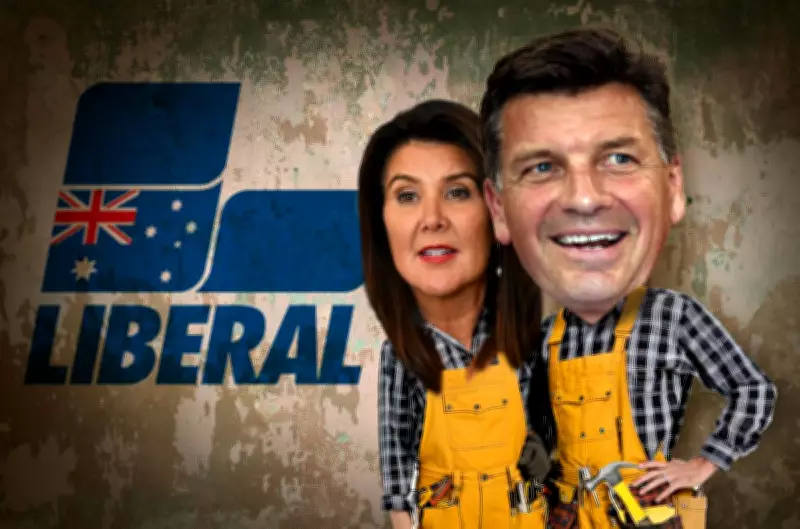
In a recent opinion piece, political commentator Michelle Grattan has delivered a sharp critique of the Liberal Party's internal reform efforts, suggesting that the proposed fixes are not 'Taylor-made' for the challenges the party faces. Grattan argues that while the party is attempting to address its structural and strategic issues, the current approach may fall short of what is needed to regain electoral momentum and public trust.
Grattan's Analysis of Liberal Party Reforms
Michelle Grattan, a respected voice in Australian political journalism, has highlighted that the Liberal Party's internal reforms, often discussed in political circles, lack the depth and comprehensiveness required to tackle the party's core problems. She points out that these reforms, which include changes to party processes and candidate selection, are being implemented without a clear vision for the future or a robust strategy to connect with a changing electorate.
Grattan emphasizes that the party's focus on internal mechanics, such as leadership structures and policy development frameworks, is necessary but insufficient. She contends that without addressing broader issues like ideological coherence, voter engagement, and adapting to societal shifts, the Liberal Party risks remaining out of touch with the Australian public.

Insufficient Measures for Electoral Success
According to Grattan, the Liberal Party's reforms are not 'Taylor-made'—a play on words suggesting they are not perfectly tailored or effective for the task at hand. She argues that the party needs a more holistic approach that goes beyond internal adjustments to include substantive policy renewal and a re-engagement with grassroots supporters.
Grattan notes that the party has been grappling with internal divisions and a lack of clear direction since its last electoral defeat. While some members advocate for moderate policies to appeal to a broader base, others push for a more conservative stance, creating a tension that the current reforms do not adequately resolve.
Broader Implications for Australian Politics
Grattan's critique extends beyond the Liberal Party to reflect on the state of Australian politics more broadly. She suggests that political parties across the spectrum must evolve to meet the demands of modern voters, who are increasingly disillusioned with traditional politics and seek authenticity and effective governance.
In her analysis, Grattan calls for the Liberal Party to learn from past mistakes and adopt a more forward-thinking strategy. This includes embracing diversity in leadership, developing policies that address contemporary issues like climate change and economic inequality, and fostering a culture of transparency and accountability within the party.
Conclusion: A Call for Deeper Change
Michelle Grattan concludes that the Liberal Party's internal fix is not 'Taylor-made' for success and warns that superficial reforms could lead to further electoral setbacks. She urges party leaders to undertake a more profound transformation that aligns with the values and expectations of today's Australians.
Ultimately, Grattan's opinion piece serves as a reminder that political parties must continuously adapt and innovate to remain relevant. For the Liberal Party, this means moving beyond incremental changes to embrace a comprehensive overhaul that can restore its competitive edge in Australian politics.