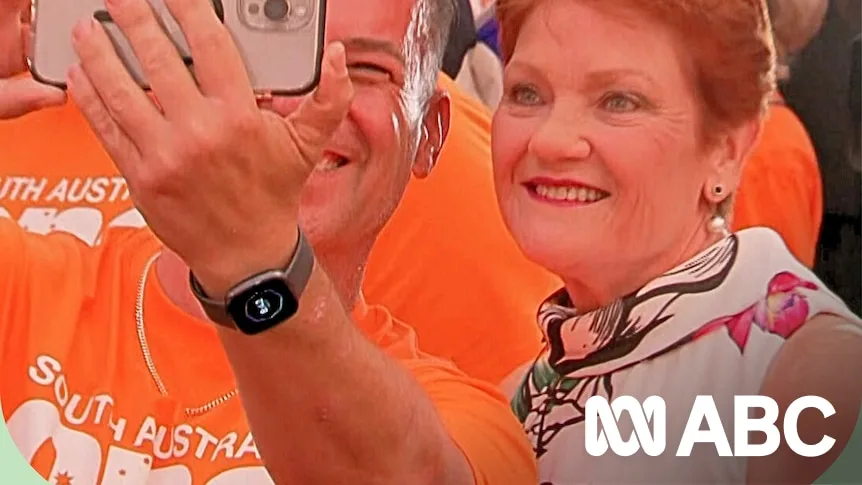
One in five South Australian voters put One Nation first at the weekend state election, marking the party's best result in the state. Federal leader Pauline Hanson said it shows a movement is under way.
One Nation's South Australian leader Cory Bernardi declared an 'orange wave is here to stay', referring to the party's colour branding. The party has won at least one lower house seat and is projected to secure two upper house seats, with a possible third.
ABC political correspondent Melissa Clarke said the result is significant, with One Nation finishing in the top two in around half of state seats. Even where they are not winning, they are the major challenger.

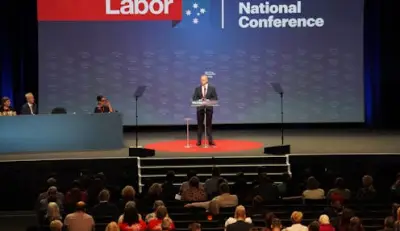
Premier Peter Malinauskas, whose Labor Party won a historic majority, cautioned that the result was partly a rejection of established parties rather than full endorsement. One Nation campaigned heavily against what they call the 'Uni Party'—Labor, Liberal and Nationals combined.
Clarke noted that the strong showing confirms polling trends and could impact federal politics, as One Nation continues to gain traction.