Voters Express Deep Frustration with Mainstream Political Landscape
Recent surveys and political analysis indicate a significant and growing sense of disillusionment among voters towards mainstream political parties and institutions. This sentiment is not confined to a single demographic or region but appears to be a widespread phenomenon affecting various segments of the population.
Root Causes of Political Discontent
Experts point to several key factors driving this voter frustration. Economic challenges, including rising costs of living and stagnant wages, are at the forefront of concerns. Many citizens feel that traditional political leaders have failed to address these pressing issues effectively, leading to a sense of abandonment and neglect.
Additionally, there is a perceived lack of authenticity and connection between politicians and the everyday lives of ordinary people. Voters often describe mainstream politics as out of touch with their realities, focusing more on partisan battles than on practical solutions to community problems.

Impact on Electoral Dynamics
This discontent is reshaping the political landscape, with potential implications for future elections. Minor parties and independent candidates are gaining traction as alternatives, capitalizing on the dissatisfaction with established political entities. Polling data suggests that trust in major parties has declined, with voters increasingly skeptical of promises and rhetoric from traditional sources.
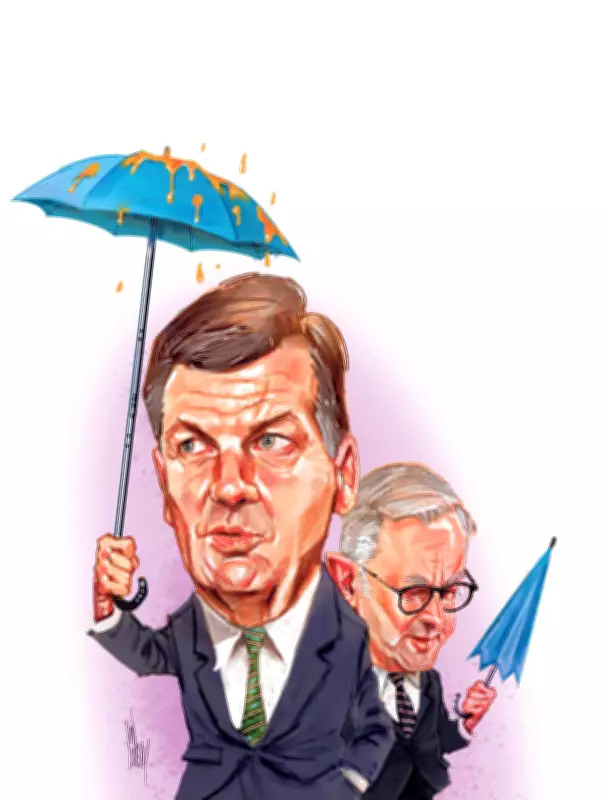
The mood among the electorate is often described as gloomy or pessimistic, reflecting broader anxieties about economic stability and social cohesion. This atmosphere poses challenges for mainstream parties seeking to regain public confidence and voter support.
Broader Implications for Democracy
Beyond electoral outcomes, this trend raises important questions about the health of democratic engagement. When voters feel disconnected from mainstream politics, it can lead to lower participation rates and a weakening of civic discourse. Analysts warn that sustained frustration may undermine the foundations of democratic systems if left unaddressed.
Efforts to bridge this gap include calls for greater transparency, more inclusive policy-making processes, and a focus on issues that directly impact citizens' daily lives. However, reversing this tide of discontent will require significant and sustained action from political leaders across the spectrum.
In summary, the current political climate is marked by a deep-seated voter frustration with mainstream politics, driven by economic pressures and a trust deficit. This sentiment is influencing electoral trends and posing challenges for democratic engagement, highlighting the need for responsive and authentic political leadership.