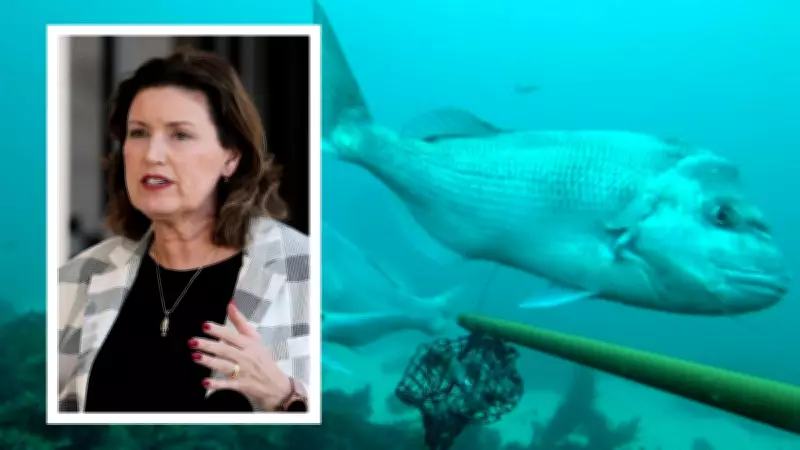
31 Infringements Issued to Fishers Since Demersal Fish Ban Commenced
Authorities have taken decisive action against illegal fishing activities, issuing a total of 31 infringements to fishers who were found catching demersal fish since the ban began. This enforcement effort underscores the government's commitment to protecting vulnerable marine species and ensuring compliance with conservation regulations.
Enforcement Actions and Compliance Measures
The infringements were distributed across various regions, with authorities conducting regular patrols and inspections to monitor fishing activities. Since the implementation of the ban, officials have been vigilant in detecting violations, which include the unauthorized capture of demersal species such as snapper and dhufish. These fish are particularly susceptible to overfishing, prompting the need for strict protective measures.
Key aspects of the enforcement strategy include:

- Increased surveillance in high-risk fishing areas to deter illegal activities.
- Collaboration with local communities and fishing groups to promote awareness of the ban.
- Use of advanced technology, such as monitoring systems, to track fishing vessels and ensure adherence to regulations.
Impact on Marine Conservation and Fisheries Management
The issuance of these infringements highlights the ongoing challenges in managing fisheries sustainably. Demersal fish play a crucial role in marine ecosystems, and their decline could have far-reaching effects on biodiversity and the fishing industry. By enforcing the ban, authorities aim to:
- Reduce pressure on demersal fish populations to allow for recovery and long-term sustainability.
- Maintain ecological balance in marine environments, supporting other species and habitats.
- Ensure that future generations can enjoy healthy fisheries and recreational fishing opportunities.
Public response to the ban has been mixed, with some fishers expressing frustration over restrictions, while conservation groups applaud the efforts to protect marine life. Authorities continue to engage with stakeholders to address concerns and improve compliance through education and outreach programs.
Future Directions and Policy Considerations
Looking ahead, authorities plan to enhance enforcement measures and review the effectiveness of the ban. Potential adjustments may include stricter penalties for repeat offenders or expanded protected areas. The goal is to achieve a balance between conservation needs and the interests of the fishing community, fostering a collaborative approach to marine resource management.
In summary, the 31 infringements issued since the demersal fish ban began serve as a clear message that illegal fishing will not be tolerated. This proactive stance is essential for safeguarding Australia's marine heritage and ensuring sustainable fisheries for years to come.