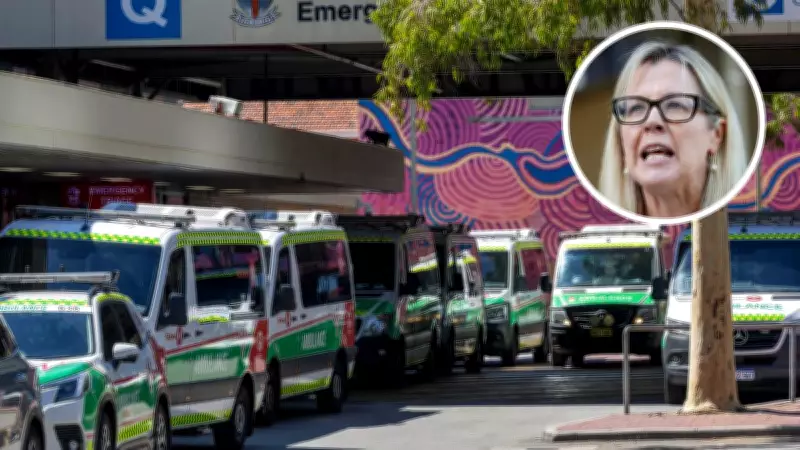
St John Ambulance Western Australia has recorded a decline in the number of ambulances reaching priority one calls within the target time for the second year in a row, sparking concerns over the state's emergency response capabilities.
Response times fall short of benchmarks
According to the latest performance data, the proportion of priority one cases attended within the mandated 15-minute window dropped to 72.4 percent in the past financial year, down from 74.1 percent the previous year and well below the 85 percent target set by the government. Priority one calls are classified as life-threatening emergencies, such as cardiac arrests, severe trauma, or respiratory distress.
The figures represent a continued downward trend since the 2020-21 period when 78.6 percent of ambulances met the target time. The decline has prompted criticism from opposition MPs and health advocates, who argue that the state government is failing to adequately fund and support the ambulance service.

Impact on patients and paramedics
Delayed response times can have serious consequences for patients experiencing medical emergencies. Paramedics have reported increased stress and workload, as they are often required to manage multiple critical cases simultaneously. The situation is exacerbated by growing demand for ambulance services, with the total number of emergency callouts rising by 5 percent over the past year.
St John WA has attributed the performance dip to a combination of factors, including population growth, an aging demographic, and the lingering effects of the COVID-19 pandemic on workforce availability. The organization has implemented recruitment drives and invested in new vehicles, but acknowledges that more needs to be done to reverse the trend.
Government response and future outlook
Western Australia's Health Minister acknowledged the concerning figures and stated that the government is working closely with St John WA to improve response times. Additional funding has been allocated for new ambulance stations and staff training. However, critics argue that these measures are insufficient and call for a comprehensive review of the emergency services system.
As the state continues to grapple with increasing demand, the spotlight remains on St John WA and the government to ensure that life-saving care reaches those in need as quickly as possible.