Water Corp Admits Maintenance Crisis as Minister Denies Neglect
Water Corp Admits Maintenance Crisis, Minister Denies Neglect

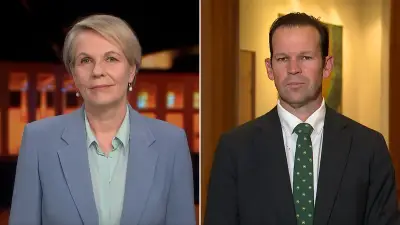
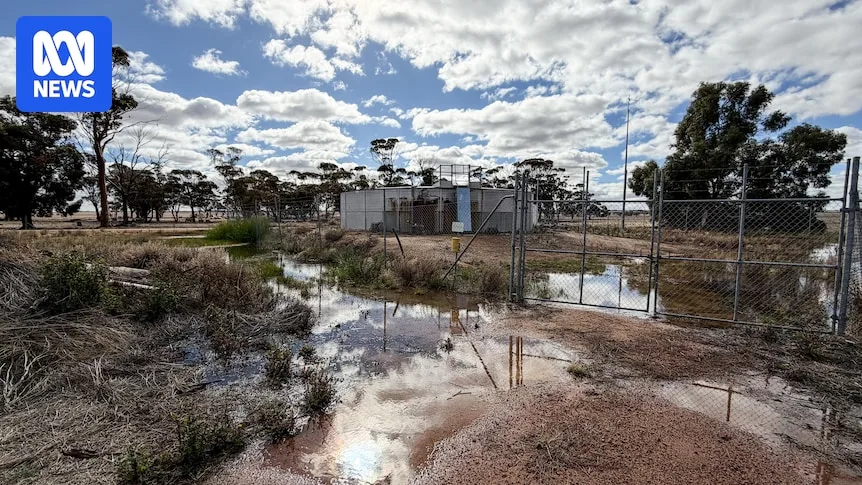
The Water Corporation has admitted to a maintenance crisis in Western Australia, as Minister for Water Don Punch faces criticism for passing the buck and denying years of Labor neglect. The admission comes after a series of water main bursts and infrastructure failures across the state, prompting questions about the government's management of essential services.

Maintenance Backlog Revealed

Documents released under freedom of information laws reveal that the Water Corporation has a maintenance backlog worth hundreds of millions of dollars. Internal reports indicate that aging pipes and pumps are at risk of failure, with some assets past their expected lifespan. The corporation's own data shows that the number of water main breaks has increased by 20% over the past five years, highlighting the strain on the network.

Minister's Response Under Fire

Minister Don Punch has been accused of shifting blame to previous governments and external factors, rather than accepting responsibility for the current state of affairs. In recent statements, Punch pointed to population growth and climate change as contributing factors, but opposition members argue that Labor has been in power for long enough to address these issues. Shadow Water Minister Steve Martin said, "The minister's excuses ring hollow when the government has cut maintenance budgets year after year."

Wide Pickt banner — collaborative shopping lists app for Telegram, phone mockup with grocery list

Punch defended his record, stating that the government has invested $1.5 billion in water infrastructure over the past four years. However, critics note that this investment falls short of what is needed to address the backlog. The minister also emphasized that the Water Corporation is a commercial entity and must prioritize spending, but this has not satisfied those affected by the disruptions.

Impact on Communities

The maintenance crisis has had real-world consequences for Western Australians. In the past year, several suburbs have experienced prolonged water outages, affecting thousands of homes and businesses. In some cases, burst mains have caused significant property damage and road closures. Residents have expressed frustration with the lack of communication from the Water Corporation during these incidents.

  • In February, a major water main burst in Subiaco flooded streets and left residents without water for two days.
  • In April, a pipe failure in Mandurah caused a sinkhole that swallowed a car.
  • In June, multiple breaks in the northern suburbs led to boil water notices for over 10,000 households.

These incidents have eroded public trust in the utility, with many questioning whether the government is doing enough to maintain critical infrastructure.

Political Fallout

The maintenance crisis has become a political flashpoint, with the opposition accusing Labor of neglecting essential services in favor of other priorities. Premier Roger Cook has backed his minister, saying that the government is committed to fixing the problem. However, the opposition is calling for a parliamentary inquiry into the Water Corporation's maintenance practices.

Independent MP Sophia Moermond has also weighed in, saying that the crisis is a result of "decades of underinvestment" by successive governments. She has called for a long-term plan to upgrade the state's water infrastructure, funded by a dedicated levy or increased borrowing.

As the debate continues, the Water Corporation has announced a new maintenance strategy aimed at reducing the backlog by 10% over the next two years. But critics say this is too little, too late, and that more urgent action is needed to prevent further disruptions.

Expert Analysis

Infrastructure experts have weighed in on the issue, noting that water utilities across Australia face similar challenges due to aging assets and growing demand. Dr. Sarah Johnson, a water engineer at the University of Western Australia, said, "The Water Corporation's situation is not unique, but the scale of the problem in WA is concerning. Without significant investment, we can expect more frequent failures." She added that proactive maintenance is more cost-effective than reactive repairs, but requires political will and funding.

Pickt after-article banner — collaborative shopping lists app with family illustration

The government has indicated that it will consider the findings of a recent review into the Water Corporation's operations, which is expected to recommend increased spending on maintenance. However, with a state election looming, the issue is likely to remain a hot topic on the campaign trail.