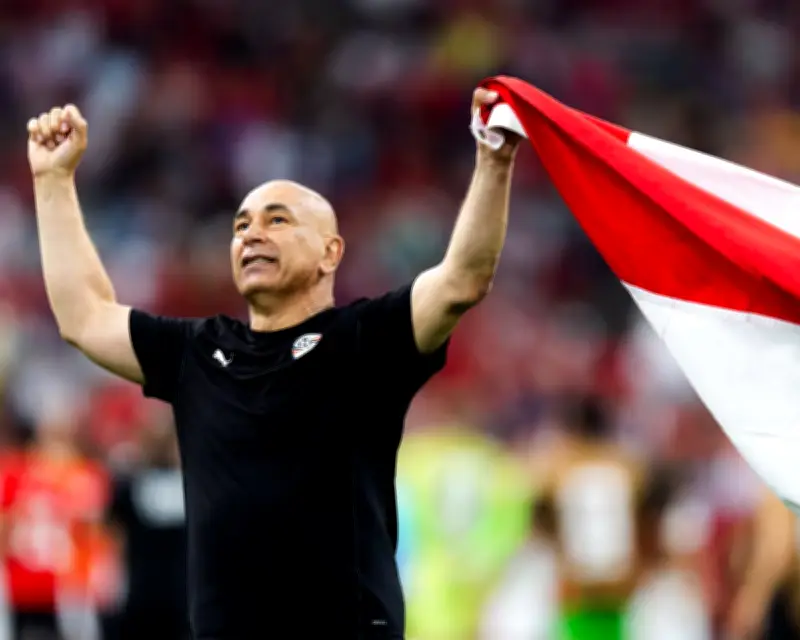
Egypt's journey to the 2026 FIFA World Cup has become a stage where football and politics merge, with veteran coach Hossam Hassan at the center of a debate about the sport's role in shaping national identity and governance. The team's qualification campaign, marked by both on-field success and off-field controversy, reflects a broader trend in Egypt where football is increasingly used as a tool for political messaging.
Hossam Hassan's Dual Role
Hossam Hassan, a legendary figure in Egyptian football, has taken on a dual role as both coach and a vocal political figure. His outspoken support for the government has blurred the lines between sport and politics, drawing criticism from those who believe football should remain apolitical. According to political analyst Mohamed El-Sayed, "Hassan's comments and actions have turned the national team into a platform for political propaganda, which undermines the spirit of the game."
Impact on Team Dynamics
The blending of politics with football has affected team dynamics, with some players reportedly uncomfortable with the political undertones. A source close to the team revealed that "some players feel pressured to express political loyalty, which creates a tense atmosphere." This has raised concerns about the team's focus and performance as they prepare for the World Cup.

Broader Implications
The situation in Egypt is not unique; globally, football has often been intertwined with politics. However, the extent to which Hassan has embraced this role highlights a growing trend in authoritarian states where sport is co-opted for political ends. According to a report by the International Centre for Sport Security, "the politicization of sport can lead to increased polarization and detract from the unifying power of football."
As Egypt gears up for the World Cup, the debate over the role of football in society continues. The team's performance on the pitch may ultimately determine whether this blending of sport and politics is seen as a success or a cautionary tale.