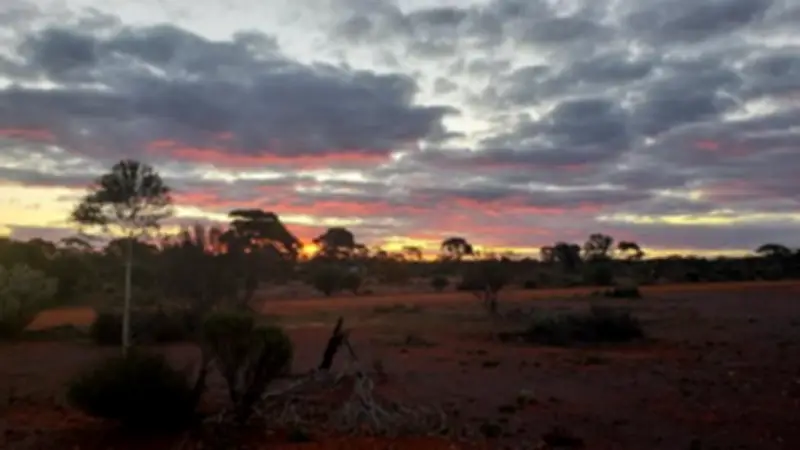
A meteorite impact may have once rained gold on Western Australia, according to a new study published in the journal Meteoritics and Planetary Science. Researchers have discovered a previously unknown 4-kilometer-diameter meteorite impact crater in the Eastern Goldfields of Western Australia, near the historic gold mining town of Ora Banda, about 50 kilometers north of Kalgoorlie.
Discovery of the Ora Banda Impact Structure
The impact site, tentatively named the "Ora Banda impact structure," was accidentally found during exploration drilling for gold. The researchers are working with the Goldfields Aboriginal Language Centre to establish an Indigenous name for the site. Ora Banda is one of the few impact craters on Earth where the target rocks are ancient greenstones—metamorphosed volcanic rocks like basalt—which are economically valuable for their gold content.
Evidence of Impact
To confirm the site as an impact crater, scientists sought diagnostic evidence unique to meteorite impacts. They found shatter cones—distinctive conical features in rocks that record the passage of a shock wave—in both surface outcrops and drill cores. This discovery was the "smoking gun" that confirmed an ancient impact. Further analysis of drill cores revealed impact breccias, including polymict breccias with glassy melt particles (suevite), indicating that molten material was thrown into the sky and solidified into glass before falling back into the crater.

Microscopic Evidence
Microscopic examination of the breccia revealed shocked quartz grains, deformed in a way unique to meteorite impacts, and meteorite residue within the glass. These findings provided additional confirmation of the impact origin.
Gold in the Breccia
Some of the breccia samples contained small gold nuggets. This suggests that during the impact, gold particles were also ejected into the sky and rained back down into the newly formed breccia deposits. This is an unusual occurrence in impact craters and highlights the unique geological setting of the site.
Significance of the Discovery
With the addition of the Ora Banda structure, there are now 34 confirmed meteorite impact craters across Australia, ranging from a few thousand years old to the 2.2 billion-year-old Yarrabubba structure. While some, like Wolfe Creek (Kandimalal), are well-preserved, most, including Ora Banda, are older and eroded so that no circular crater is visible at the surface.