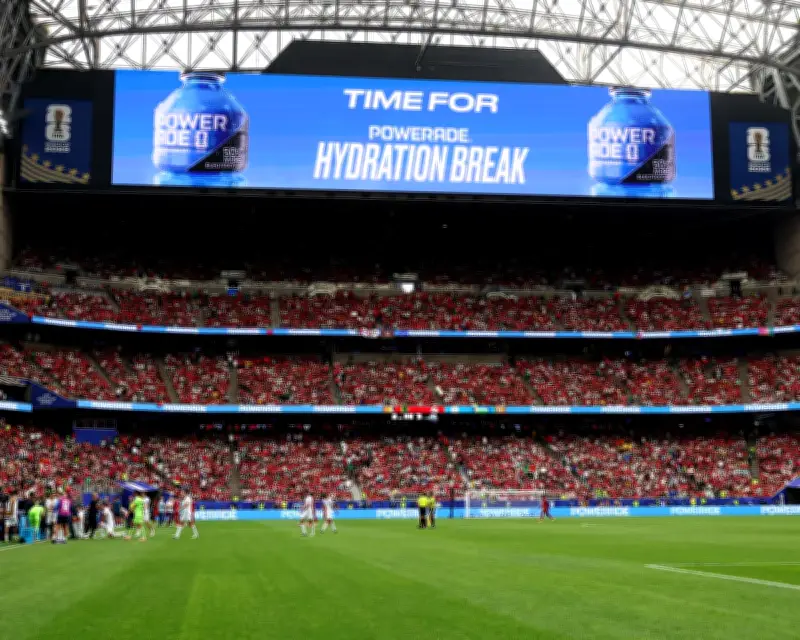
FIFA has united the world in anger after it emerged that the hydration breaks introduced at the 2026 World Cup are being used as opportunities for commercial advertising. The governing body's decision to allow sponsors to air advertisements during the mandatory cooling pauses has sparked widespread condemnation from fans, players, and football officials.
How the Breaks Work
The hydration breaks, which were introduced to protect players from extreme heat, are scheduled at the 30-minute mark of each half in matches played in high temperatures. However, FIFA has permitted broadcasters to use these three-minute pauses to show commercials, effectively turning them into ad breaks. The move has been criticized as a cynical exploitation of a player safety measure.
Global Reaction
Fans took to social media to express their fury, with many accusing FIFA of prioritizing revenue over the well-being of athletes. "This is a new low for FIFA," said one user on X. "They're using player safety as a cash cow." The backlash has been particularly strong in countries where football is a cultural cornerstone, such as Brazil, Germany, and Argentina.

Players' unions have also voiced their concerns. "The hydration break was introduced for one reason only: to protect players from heat-related injuries," said a spokesperson for the World Players' Union. "Turning it into an advertising opportunity undermines its purpose and shows a lack of respect for the athletes."
FIFA's Defense
FIFA defended the decision, stating that the ad breaks are necessary to offset the costs of hosting the tournament. "The revenue generated from these commercial breaks helps fund the World Cup and supports football development worldwide," a FIFA spokesperson said. "We have ensured that the breaks do not exceed the recommended duration for hydration, and player safety remains our top priority."
However, critics argue that FIFA could have found other ways to generate revenue without compromising player welfare. According to a report by the Guardian, the 2026 World Cup is expected to generate over $11 billion in revenue, making the need for ad breaks during hydration pauses questionable.
Impact on the Game
The ad breaks have also disrupted the flow of matches, with some players complaining that the pauses break their concentration. "It's hard to get back into the rhythm after a three-minute break for commercials," said an anonymous player. "We're out there to play football, not to be part of a TV show."
Football analysts have noted that the breaks could benefit teams that are struggling, as they provide an unexpected opportunity to regroup. "It's a tactical element now," said a commentator. "Some managers will use the break to give instructions, while others will just try to keep their players focused."
What's Next?
The controversy shows no signs of abating, with calls for FIFA to reverse the decision growing louder. Some fan groups have started petitions demanding that the ad breaks be removed, while others have threatened to boycott broadcasts. FIFA has yet to respond to the petitions, but the pressure is mounting as the tournament progresses.
As the World Cup continues, the debate over the hydration breaks is likely to intensify. For now, football fans around the world are united in their anger at what they see as yet another example of FIFA putting money before the game.