Iran's national football team is set to play its first match in the 2026 FIFA World Cup against England, a moment that offers a rare respite from the ongoing war and political tensions gripping the nation. The match, scheduled for June 12, 2026, in Doha, Qatar, comes as Iran faces international scrutiny over its military actions and human rights record.
Players and Fans Seek Unity
For many Iranians, the World Cup represents a fleeting opportunity to set aside differences and celebrate a shared passion. Players have expressed hope that the tournament can bring a sense of normalcy and pride to a country weary from conflict. "Football is our common language," said team captain Alireza Jahanbakhsh. "We want to make our people happy, even if just for 90 minutes."
Security and Political Implications
The match is being held under heightened security, with FIFA coordinating closely with Qatari authorities to ensure safety. Iran's participation has drawn mixed reactions globally, with some calling for a boycott due to the war, while others argue that sports should remain separate from politics. The Iranian government has used the World Cup as a platform to project a softer image, but critics say it masks ongoing repression at home.

Historical Context
This is Iran's seventh World Cup appearance. The team's best result came in 1998 when they defeated the United States 2-1 in a match dubbed the "Mother of All Games." That victory was seen as a symbolic triumph over political adversity. Now, decades later, the team faces a new set of challenges both on and off the pitch.
Fan Reactions
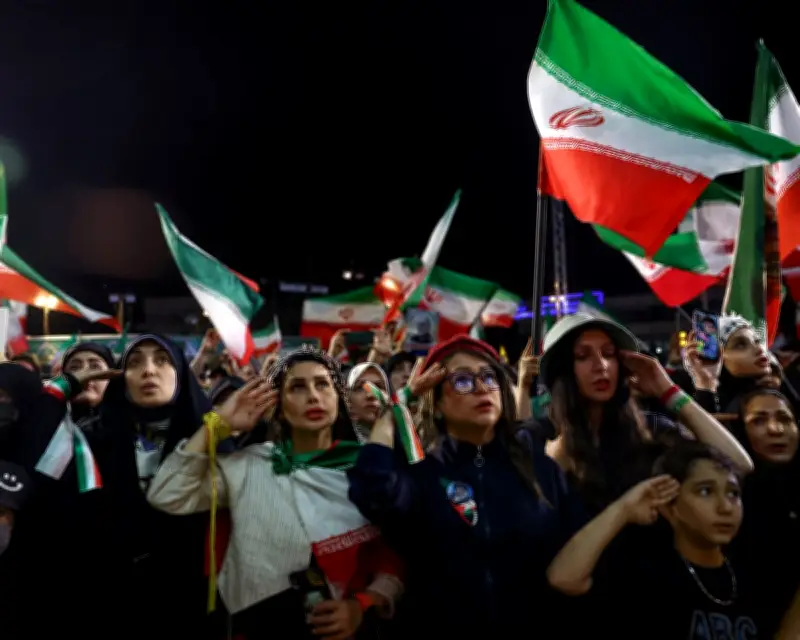
In Tehran, thousands gathered in public squares to watch the match on giant screens, waving Iranian flags and chanting. Many expressed hope that the tournament could foster a sense of unity. "We are tired of war and politics," said Mina, a 34-year-old teacher. "This is a moment for us to remember our humanity."
However, some fans fear that the government's involvement could taint the sporting spirit. "The regime uses everything for propaganda," said Amir, a 28-year-old engineer. "But we love our team, not the regime."
As the match approaches, the world will be watching not just for the score, but for a glimpse of a nation's resilience in the face of adversity.