Winning any given match at the World Cup should always be the goal for every country competing, but what if losing would actually be a better result moving forward? There are a number of intriguing situations heading into the final group games as all the different permutations become clearer.
Socceroos' Simple Equation
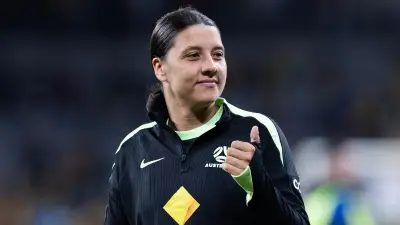
For the Socceroos, the equation is simple: Win or draw and they will finish second in the group. Lose and they face a nervous wait to see if they will be one of the eight best third-placed teams to progress.
The 2026 World Cup is the first in history to feature 48 teams, divided into 12 groups of four. Previously, the qualification situation for a 32-team tournament was clear: Finish top two in your group and you’re through. Now it’s tricky. A whopping 32 teams will progress to the knockout rounds. FIFA have also changed the tiebreaker rules to head-to-head first, instead of goal difference, which adds to the complexities.

Dead Rubbers Emerge
That change has already seen a number dead rubbers emerge. USA have already won Australia’s group and Turkiye are locked into last place, which means there is absolutely nothing to play for when the two teams do battle on Friday (AEST). It’s a similar situation in Group J with Argentina (six points) and Jordan (zero points) set to clash in a dead rubber on Sunday (AEST).
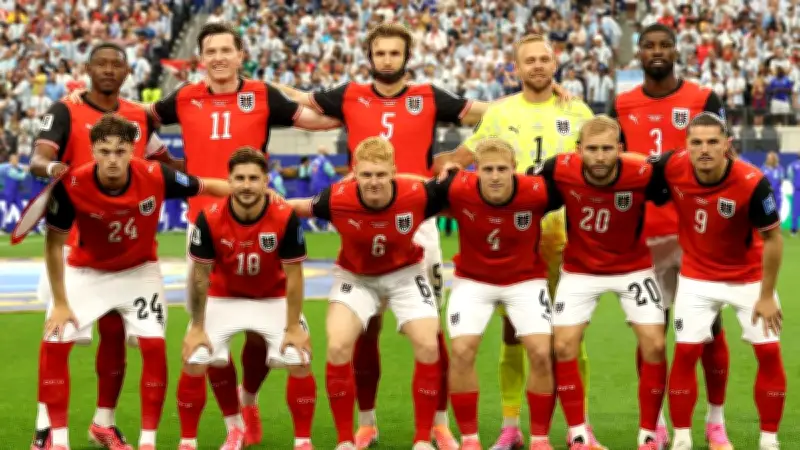
But what’s more intriguing is the other clash between Austria and Algeria. The two teams are locked on three points and their match is also the final scheduled group game of the tournament. This is significant because it means both teams will know exactly what is required to book their spot in the knockout rounds. There could be a situation where a draw gets both through; Austria as group runners-up and Algeria as one of the best third-placed teams. But given it’s the final group stage match, both teams might already know that the loser of the match might be guaranteed to go through as one of the best third-placed teams.
Strategic Losing
And here is where things get really interesting. The runners-up of the group will face the winners of Group H in the knockout stages. There’s every chance that will be world No.3 and one of the tournament favourites in Spain. Meanwhile, the third-placed team will face one of: Winner of Group D (USA), winner of Group B (Canada or Switzerland), winner of Group G (Egypt, Iran or Belgium), winner of Group L (England, Ghana or Croatia), or winner of Group K (Portugal or Colombia).
Come match time, both Austria and Algeria will know exactly who their potential opponents in the knockout rounds will be. So would you rather play Spain or one of those other nations mentioned? There is a very real chance that both teams will prefer to lose.
Echoes of the 'Disgrace of Gijon'
It’s a similar situation to the ‘Disgrace of Gijon’ at the 1982 World Cup, which coincidentally featured Austria and Algeria and is often regarded as the most controversial match in World Cup history. That match goes down in World Cup infamy as West Germany defeated Austria 1-0 in a result that guaranteed both nations progressed to the next round. Algeria had played their final group game the previous day, unable to defeat Chile by a four-goal margin that would have seen them qualify no matter what. The 3-2 victory moved Algeria up to second place on four points, behind Austria on goal difference, while West Germany were in third place on two points. That meant that going into the final match between West Germany and Austria, the two nations knew that a West Germany victory by fewer than two goals would guarantee both teams progressed to the knockout round. The Germans scored an early goal to take the lead before both teams seemed happy to play out the result. There was next to no attacking as both sides just passed it around their defence before launching long balls to little consequence. The match was widely condemned by the football world. Commentators refused to call the match and encouraged viewers to turn off. The local newspaper in Spain printed the match report in the crime section. The only good thing to come out of the match was FIFA changing the schedule in future tournaments to ensure the final group games in each group are played simultaneously.