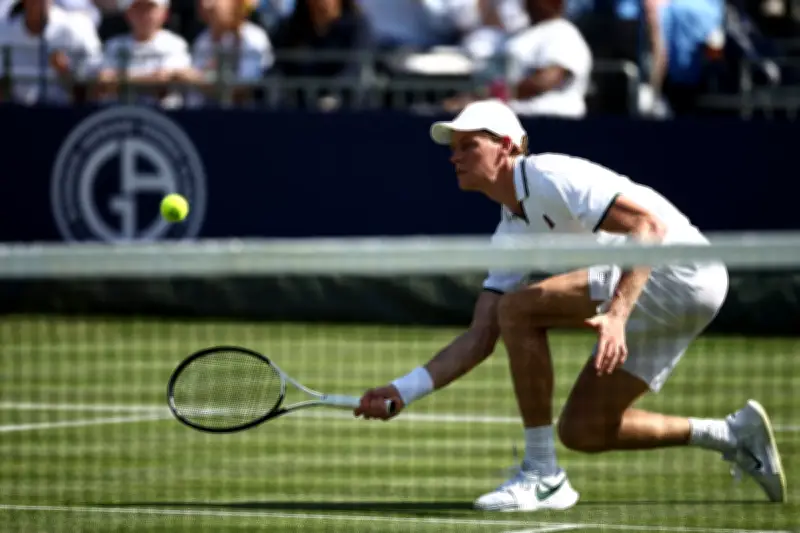
Players at Wimbledon have vowed to continue their protests over prize money distribution, demanding a larger share for lower-ranked competitors. The demonstrations, which began earlier this week, have seen players wearing badges and staging on-court statements, drawing attention to the disparity between top earners and those who lose in early rounds.
Background of the Dispute
The All England Lawn Tennis Club (AELTC) has allocated a total prize fund of £50 million for this year's tournament, with the men's and women's singles champions each taking home £2.7 million. However, players who lose in the first round receive only £55,000, a figure that many argue is insufficient to cover travel, coaching, and living expenses for those ranked outside the top 100.
According to the Professional Tennis Players Association (PTPA), which has been vocal in supporting the protests, the gap between the top and bottom earners has widened significantly over the past decade. "The current distribution model is unsustainable for the sport," said a PTPA spokesperson. "Players ranked 100th or lower often struggle to break even, and this is not just a Wimbledon issue—it's systemic across all Grand Slams."

Player Reactions and Actions
Several high-profile players have expressed solidarity with the cause. World No. 1 Novak Djokovic, who has been a longstanding advocate for player rights, stated, "We need to ensure that tennis remains a viable career for everyone, not just the top few. The prize money should reflect the effort and dedication required to compete at this level."
Meanwhile, lower-ranked players have taken more direct action. During a second-round match on Wednesday, French player Clara Burel displayed a wristband with the slogan "Fair Pay for All" and later told reporters, "It's not about greed; it's about survival. Many of us are barely making a living, and we need the tournaments to recognize that."
Impact on the Tournament
The protests have not disrupted the actual play, but they have sparked widespread discussion among fans and officials. The AELTC has acknowledged the concerns but maintains that its current prize money structure is competitive with other Grand Slams. In a statement, the club said, "We are committed to reviewing our distribution model regularly and have increased total prize money by 10% this year. We believe in rewarding excellence while also supporting players across all rounds."
However, critics argue that the increase has not kept pace with inflation or the rising costs of professional tennis. Data from the International Tennis Federation shows that the average cost for a player to compete in a Grand Slam, including travel, accommodation, and coaching, exceeds £60,000, meaning first-round losers actually lose money.
Broader Implications
The protests at Wimbledon are part of a larger movement within tennis. Similar demonstrations have occurred at the French Open and are expected at the US Open later this year. The PTPA has called for a minimum of 50% of total prize money to be distributed to players who lose in the first three rounds, a proposal that has gained traction among player councils.
If the demands are not met, players have hinted at more disruptive actions, including the possibility of boycotting future events. "We don't want to hurt the sport we love, but we need to be heard," said a representative from the ATP Player Council. "The time for talk is over; we need concrete changes."
Looking Ahead
As Wimbledon enters its second week, the focus will remain on both the on-court action and the off-court negotiations. The AELTC has scheduled a meeting with player representatives for next week, but it remains to be seen whether a compromise can be reached. For now, the protests will continue, with players determined to keep the issue in the spotlight until meaningful progress is made.