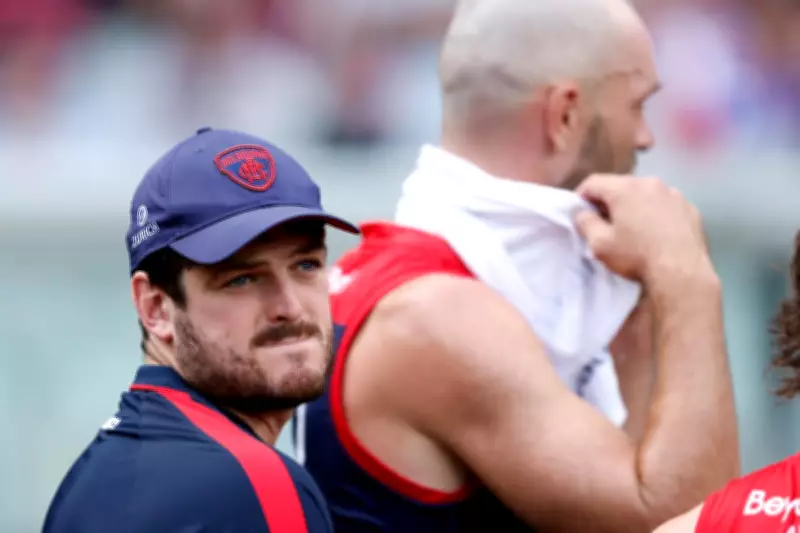
Melbourne Demons premiership player Angus Brayshaw has been denied an insurance claim after suffering a career-ending concussion, raising concerns about player welfare and insurance coverage in the AFL.
Details of the Incident
Brayshaw, a key member of Melbourne's 2021 premiership team, was forced into early retirement following a severe concussion sustained during a match. The injury, which occurred in the 2023 season, was deemed career-ending by medical professionals.
Insurance Claim Rejection
The 28-year-old lodged an insurance claim through the AFL's player injury compensation scheme, but it was rejected. The decision has sparked outrage among players' union representatives and fans, who argue that the system is failing to protect athletes.

Reactions and Implications
The AFL Players' Association has expressed disappointment, stating that the rejection highlights a need for reform. Brayshaw's teammates and coaches have also voiced support, with many calling for a review of the insurance process.
This case comes amid growing scrutiny of concussion management in Australian rules football, with several former players taking legal action against the AFL over long-term brain injuries.
Broader Context
Brayshaw's situation is not isolated. Other players have faced similar difficulties in accessing insurance payouts after career-ending injuries. The AFL has defended its scheme, emphasizing that claims are assessed on a case-by-case basis.
However, critics argue that the criteria for payouts are too stringent, leaving players without adequate financial support after their careers are cut short.
Looking Ahead
The AFL is reportedly reviewing its concussion protocols and insurance policies. Brayshaw's case may accelerate these changes, as the league seeks to balance player safety with financial accountability.
For now, Brayshaw remains without the insurance payout he sought, but his plight has ignited a broader conversation about the long-term welfare of AFL players.