Fremantle Coach's Opening Round Critique Sparks AFL Debate
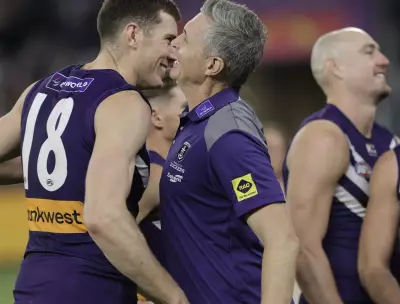
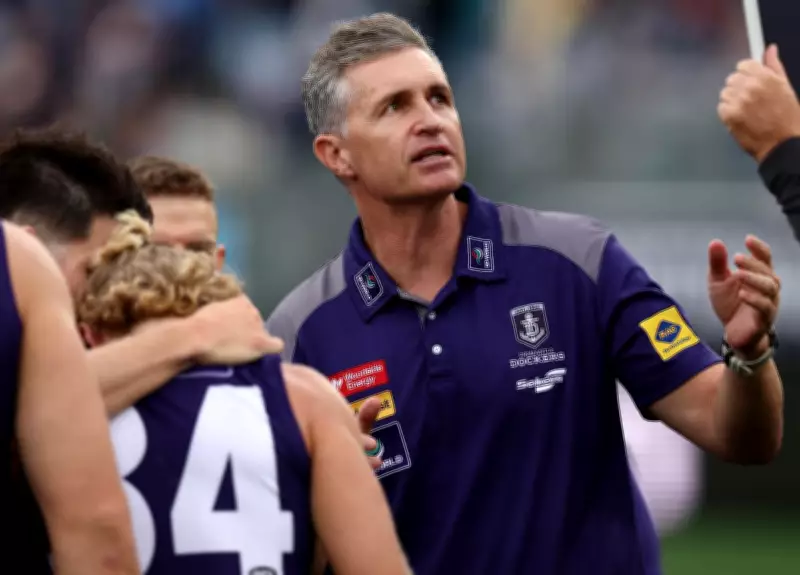
The AFL landscape has been set abuzz following Fremantle Dockers coach Justin Longmuir's pointed remarks in a recent post-match press conference. Longmuir's critique of the league's Opening Round format has ignited a fiery discussion across the competition, highlighting systemic inequities that disadvantage certain teams.
The Good: Longmuir's Stand Against Opening Round Inequities
Post-game coach press conferences often descend into predictable, mundane territory, making Justin Longmuir's forceful statement a refreshing and necessary intervention. The Fremantle boss pushed back strongly against the glaring disadvantages faced by teams playing their first match against opponents already having their second run of the season.
While not the first to voice concerns, Longmuir delivered the most compelling argument yet, backed by stark statistical evidence. His comments have triggered a tsunami of calls for the Opening Round concept to be scrapped entirely. This comes amid complications surrounding next year's 150th anniversary Test match between Australia and England at the MCG, which will require creative scheduling solutions.

Historical precedents, such as Andrew Demetriou's exaggerated claims about season cancellation during potential FIFA World Cup hosting, have been proven inadequate by COVID-era adaptations. The league has demonstrated it can manage significant inconveniences without catastrophic disruption. Longmuir's stand is particularly notable given neither West Australian club has participated in Opening Round during its three-year existence, lending weight to his perspective on competitive fairness.
The Bad: Port Adelaide's Alarming Decline
Football fortunes can change with alarming rapidity, as Port Adelaide supporters discovered during their team's comprehensive defeat. While North Melbourne fans celebrated what they hope marks a turning point after prolonged struggle, Port Adelaide's performance raised serious concerns about their immediate prospects.
The Power's 2026 campaign under new coach Josh Carr, formerly of Fremantle, was always anticipated to be challenging following last season's finals absence under Ken Hinkley. However, Sunday's walloping revealed deeper issues than many anticipated. Statistical deficiencies were glaring:
- 82 fewer disposals than North Melbourne
- Three fewer inside-50 entries
- Ten fewer clearances
Despite young ruckman Dante Visentini's dominance over Tristan Xerri, Port's midfield struggled profoundly. While Connor Rozee performed adequately and Mitch Georgiades fought hard, key players failed to fire. Zak Butters operated below his usual standard, and Jason Horne-Francis particularly disappointed against his former club.
With few other candidates stepping up, Port Adelaide faces the prospect of finishing lower than last season's 13th position—something not experienced since 2012. The cliff edge in football competitiveness has arrived abruptly for the Power.
The Ugly: St Kilda's Questionable Selection Decision
Sometimes football analysis becomes overcomplicated, and St Kilda's handling of Nasiah Wanganeen-Milera during their clash with Melbourne exemplifies this tendency. The decision to bench their most dangerous forward for six critical minutes in the final quarter, as teammates mounted a comeback attempt, defied logical explanation.
Wanganeen-Milera had already contributed 3.1 to the scoreboard and represented St Kilda's most potent attacking threat when removed from play. The memory of his previous heroics against Melbourne—a single-handed, seven-goal quarter that secured victory—should have cemented his place on the field during crunch time.
Instead, Demon defenders and fans received an unexpected reprieve as the Saints star watched from the sidelines. This tactical misstep likely cost St Kilda valuable momentum and scoring opportunities during a period when Wanganeen-Milera's presence would have maximized pressure on Melbourne's defense. The selection blunder stands as a reminder that sometimes the simplest football decisions are the most effective.

The AFL round has thus delivered compelling narratives across multiple fronts: a coach's principled stand sparking league-wide debate, a traditional power facing unexpected decline, and a tactical error with potential match-altering consequences. These developments will continue to resonate as the season progresses.