Paul Hasleby Calls for AFL State of Origin to Be Played Every Second Year
In a significant proposal aimed at revitalising one of Australian football's most cherished traditions, former Fremantle Dockers player and current media commentator Paul Hasleby has suggested that the AFL State of Origin series should be scheduled every second season. This recommendation is designed to ensure the event retains its special status and avoids becoming just another fixture in an already packed sporting calendar.
Preserving the Prestige of State of Origin
Hasleby, who enjoyed a distinguished career in the AFL, emphasised that the State of Origin concept holds a unique place in the hearts of fans and players alike. He argued that by reducing its frequency to a biennial format, the series would generate greater anticipation and excitement, making each match feel more like a marquee occasion. "When you have something too often, it can lose its magic," Hasleby stated, highlighting concerns that annual events might lead to viewer fatigue and diminished player participation.
The former midfielder pointed out that the current football landscape is saturated with numerous competitions, including the AFL premiership season, international matches, and various exhibition games. By spacing out the State of Origin, it could stand out as a premier showcase of elite talent, drawing top players who might otherwise be reluctant to commit due to injury risks or scheduling conflicts.

Addressing Practical Challenges and Fan Engagement
Hasleby's proposal also addresses several practical challenges associated with organising the State of Origin series. He noted that coordinating player availability from different clubs, managing travel logistics, and ensuring high-quality broadcasts are complex tasks that could be better handled with more preparation time afforded by a two-year cycle. This approach, he believes, would allow for more strategic planning and potentially higher production values, enhancing the overall viewer experience.
Furthermore, Hasleby suggested that a biennial schedule could boost fan engagement by creating a sense of rarity and exclusivity. "Fans would mark their calendars years in advance, knowing that this is a must-watch event that doesn't come around every year," he explained. This could lead to increased ticket sales, television ratings, and sponsorship opportunities, benefiting the AFL and its stakeholders financially.
Historical Context and Future Implications
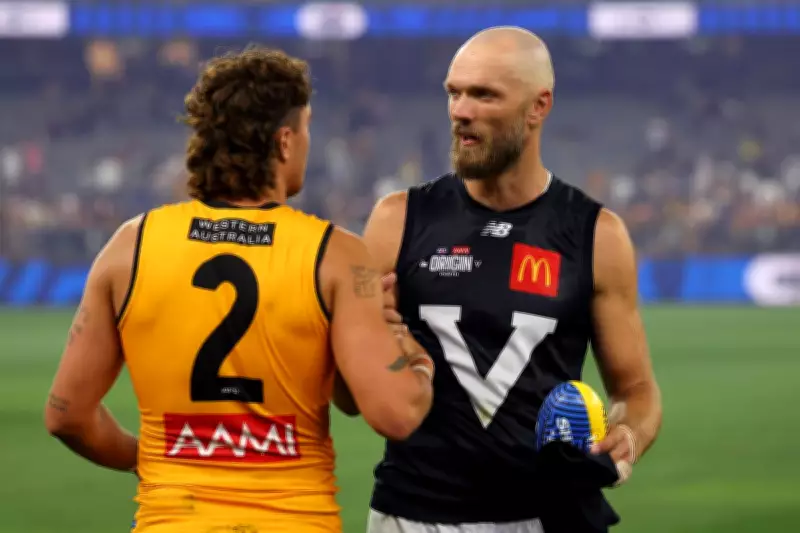
The State of Origin series has a rich history in Australian rules football, dating back to its inception in the late 1970s. It has traditionally pitted players from Victoria against those from other states, such as South Australia and Western Australia, in intense matches that celebrate regional pride. However, in recent years, the series has faced challenges, including intermittent scheduling and fluctuating player interest, which Hasleby's proposal aims to mitigate.
Looking ahead, if the AFL adopts a biennial model for State of Origin, it could set a precedent for other sports considering similar adjustments to preserve the allure of their flagship events. Hasleby's insights come at a time when sports organisations globally are reevaluating their calendars to balance commercial interests with the integrity of their competitions.
In conclusion, Paul Hasleby's advocacy for an AFL State of Origin held every second season represents a thoughtful attempt to safeguard the event's legacy while adapting to modern sporting demands. By prioritising quality over quantity, this strategy could ensure that State of Origin remains a highlight of the football year, cherished by generations to come.