Melbourne Demons Express Bafflement Over Harrison Petty's Concussion Incident
Melbourne football boss Alan Richardson has stated that club officials are "a little bit bemused" regarding defender Harrison Petty's apparent concussion during the AFL match against Brisbane at the MCG on Sunday. The incident has raised questions about the nature and timing of the injury, with Richardson highlighting the lack of an obvious preceding event.
Details of the On-Field Incident
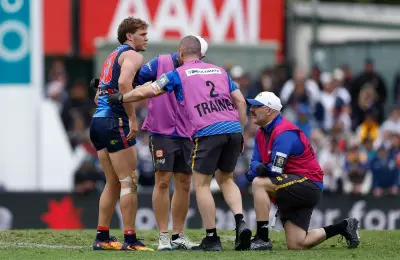
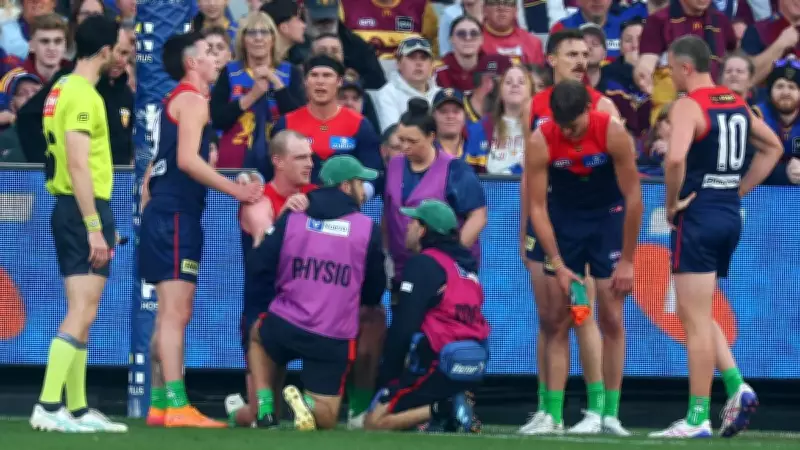
Petty turned the ball over with a stray kick-in late in the third quarter and immediately appeared to kneel down to support himself. He quickly got back up and walked over to teammate Blake Howes, who promptly raised the alarm to umpires and medical staff. Channel 7 commentators Alister Nicholson and Brian Taylor noted the signs, with Nicholson saying, "It had all the hallmarks of lightheadedness," and Taylor adding, "Absolutely it did. Even some help from his teammate, he realised straight away that he needed some help — says to the umpire that we need to get this bloke off." Petty then walked slowly off the field in the arms of trainers.
Club's Response and Medical Concerns
Richardson later told Channel 7, "He's certainly got symptoms of concussion. We're a little bit bemused as to how and whether it's delayed concussion. There was nothing in an incident that led to him going off the ground so we presume it must have been a knock he got earlier." He expressed uncertainty about whether Petty would be taken to hospital for further evaluation, emphasizing the need for caution in such cases.

Praise for Teammate's Quick Action
Richardson commended Blake Howes for his vigilance, stating, "Really good. The whole industry's really well educated in terms of making sure we look after people with head knocks." This highlights the AFL's ongoing efforts to improve concussion protocols and player safety, with clubs actively promoting awareness and immediate response to potential injuries.
Broader Implications for AFL Safety
The incident underscores the challenges in identifying concussions, especially when symptoms may be delayed or not linked to a specific impact. It serves as a reminder of the importance of continuous education and strict adherence to safety measures in professional sports to protect athletes from long-term health risks.