The Australian football community continues to grapple with the profound loss of former Brisbane Lions player Troy Selwood, whose tragic death last year has brought renewed attention to the critical issue of concussion in sport. In a deeply personal and forward-thinking decision, Selwood had explicitly arranged for his brain to be donated to scientific research, a wish he formalised in his will several years prior to his passing.
A Heartbreaking Loss for Football
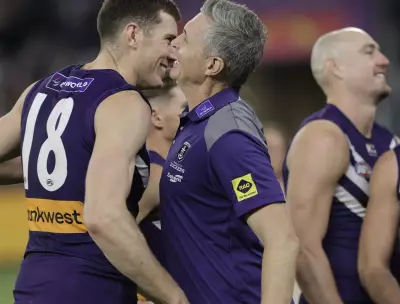
The football world was left reeling in 2025 when news emerged of the deaths of both Troy Selwood and his twin brother Adam, a West Coast Eagles legend, within a devastating three-month period. The Selwood brothers, each respected figures in the AFL community, left behind a legacy that extends far beyond their on-field achievements. Their passing has sparked important conversations about mental health and the physical toll of professional sport.
A Proactive Commitment to Research
Documents reveal that in February 2021, Troy Selwood made a specific provision in his will, stating his clear desire to contribute to concussion research. "It is my wish to donate my brain for research for concussion in sport if possible," he wrote, demonstrating remarkable foresight and commitment to advancing medical understanding. While numerous former footballers have had their brains donated posthumously through family decisions, Selwood appears to be the first AFL player to have made this request explicitly in his legal will.

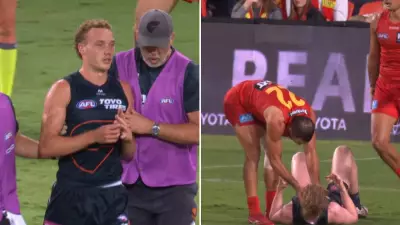
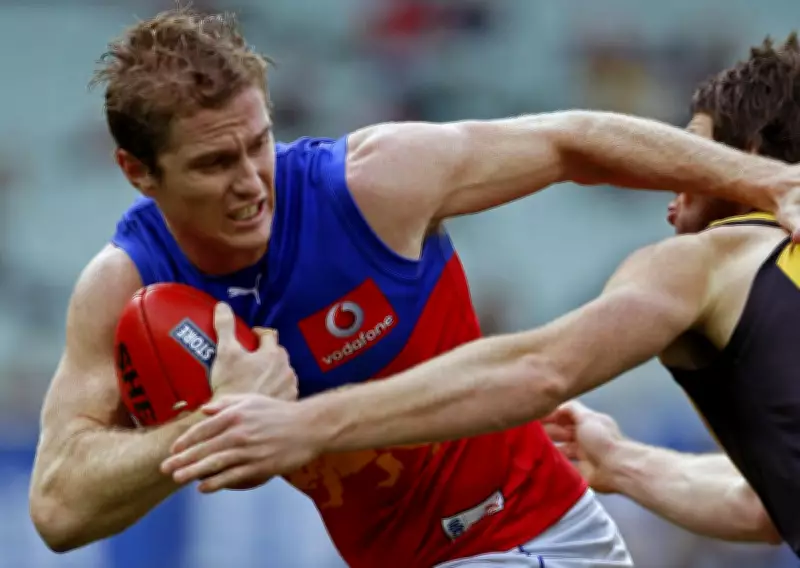
This decision takes on added significance given Selwood's own experiences with head injuries during his 75-game career with the Brisbane Lions. He sustained multiple concussions, most notably during a severe on-field collision with Richmond's Alex Rance in 2009 that rendered both players unconscious. Such incidents have become focal points in the growing concern about repetitive head trauma in contact sports.
The Broader Context of CTE in Football
The issue of chronic traumatic encephalopathy (CTE) has become increasingly prominent in Australian rules football. This neurodegenerative condition, linked to repeated head impacts, has been diagnosed posthumously in several former players. Among them are legendary figure Graham 'Polly' Farmer and Adam Hunter, who was a premiership teammate of Adam Selwood at West Coast.
These diagnoses have accelerated calls for more comprehensive research and improved safety protocols within the sport. Troy Selwood's planned donation represents a direct contribution to this vital scientific work, potentially helping researchers better understand the long-term effects of concussions and sub-concussive hits.
Legacy Beyond the Field
Following his retirement from professional football, Troy Selwood transitioned into education, serving as head of football at the prestigious Geelong Grammar School. His impact on young athletes was profound, as evidenced by the reflections of former student Josh Lindsay. Selected by West Coast with pick 19 in the 2025 national draft, Lindsay spoke movingly about Selwood's influence.
"He was really good for me, and really helped me to get into this position today," Lindsay said last year. "To see him pass away at the start of the year was a huge shock. I was quite devastated for a fair few weeks. I just want to continue carrying on his legacy. He's helped me in a lot of ways, and to this day I still carry that on."
Both Troy and Adam Selwood also included provisions in their wills for general organ donation, further emphasising their commitment to helping others even after their deaths.
Moving Forward with Purpose
The story of Troy Selwood's brain donation arrangement serves as a poignant reminder of the complex intersection between sport, health, and legacy. As the AFL continues to implement stricter concussion protocols and support systems for current and former players, contributions like Selwood's will prove invaluable to the medical community's understanding of head trauma.
His proactive approach to supporting research, even in death, underscores the urgent need for continued investigation into the effects of concussion and the development of better protective measures for athletes at all levels of the game.