Adelaide Journalist Provides First-Hand Insight into Iranian Soccer Team Asylum Controversy
Samira Shirmardi, a journalist now based in Adelaide, has shared a compelling first-hand account of the controversy involving the Iranian women's football team during their appearance in Australia. As the first Iranian female journalist ever permitted to attend a World Cup, Shirmardi offers unique insights into the events that unfolded, which ultimately led to some players from the team seeking and winning asylum in Australia.
Breaking Barriers in Sports Journalism
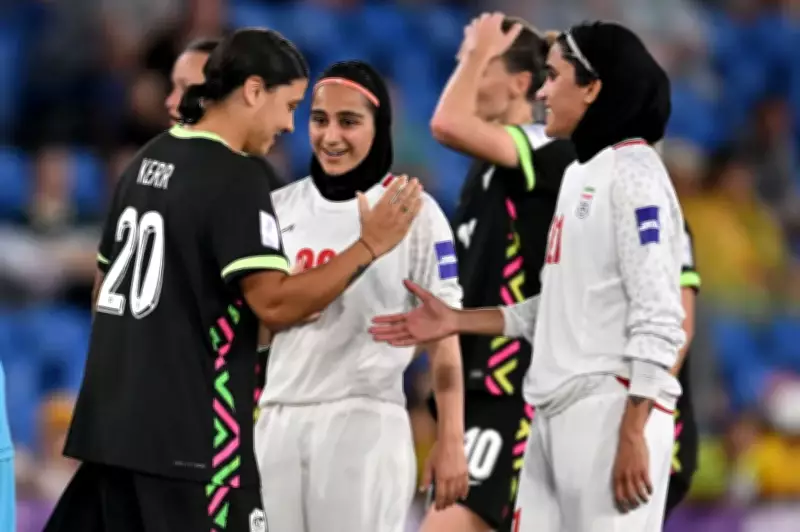
Shirmardi's groundbreaking role as the inaugural Iranian female journalist at a World Cup highlights her trailblazing career in sports reporting. Her experiences have positioned her as a key observer of the Iranian women's football team, particularly during their contentious visit to Australia. The team's participation in events such as the Asian Cup, where players like Sara Didar and Golnoosh Khosravi faced Australia's Sam Kerr, became a focal point for broader discussions about freedom and safety.
The Controversy Unfolds in Australia
During the team's stay in Australia, a significant controversy erupted, stemming from political and social tensions back in Iran. Shirmardi, who was in direct contact with the players, recounts how the situation escalated, leading some members of the team to apply for asylum. This move was driven by concerns over their safety and future prospects if they returned to Iran, reflecting the harsh realities faced by many athletes under restrictive regimes.

Impact on Players and Asylum Outcomes
The decision by some players to seek asylum has had profound implications, not only for their personal lives but also for international sports diplomacy. Shirmardi's account sheds light on the emotional and logistical challenges these athletes faced, from navigating legal processes to adjusting to a new life in Australia. Their successful asylum applications mark a significant moment in the intersection of sports, human rights, and global politics.
Broader Implications for Women's Sports
This incident underscores the ongoing struggles for women in sports within certain countries, where participation can be fraught with political risk. Shirmardi's reporting emphasizes how such controversies can bring international attention to issues of gender equality and freedom in athletics. It also highlights the role of journalists like her in documenting these critical stories, providing a voice for those who may otherwise go unheard.
In summary, Samira Shirmardi's firsthand narrative offers a detailed look into the Iranian women's football team's controversial Australian visit, revealing the complex dynamics of sports, escape, and asylum that continue to resonate globally.