Iranian Women's Soccer Team Welcomed Home After Asylum Drama in Australia
Members of Iran's national women's soccer team were greeted with an official "welcome ceremony" upon their return to the Islamic Republic, following a controversial tournament in Australia where several players had initially sought asylum. The event, marked by flag-waving crowds and floral bouquets, highlighted the complex political and personal tensions surrounding the team's journey.
Emotional Homecoming and Allegations of Pressure
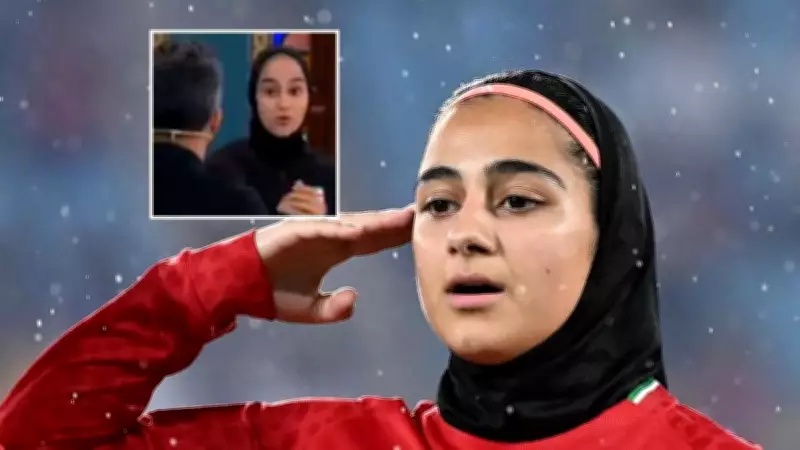
Midfielder Fatemeh Shaban expressed joy at being back in Iran, stating, "First of all we are so happy to be in Iran, because Iran is our homeland." She added, "I wasn't expecting this many people to come to welcome us, and I am happy to be the daughter of Iran." However, the return was overshadowed by serious allegations from the players, who claimed Australian police pressured them not to head back to Iran.
In translated comments shared on Iranian TV and social media, Shaban described a tense encounter with authorities. "When they checked our passports, each of us went into a room with a police officer. At first, when they took my hand and led me away, I was a bit scared," she said. Shaban recounted that security agents asked "strange questions" about safety concerns, suggesting Iran was dangerous due to conflict, and even offered to let her call family to reconsider staying.

She firmly rejected the pressure, telling a translator, "Tell him I don't want to stay. Anyone who wanted to stay has already stayed." Shaban emphasized her determination, saying, "I didn't even let him finish reading the rest of his questions, I just said: 'I want to return to Iran'." Despite this, she admitted feeling "a bad feeling in my heart" and fear during the ordeal.
Mixed Reactions and Ongoing Asylum Cases
The vision of the welcome ceremony, closely monitored by Iranian TV presenter Najmeddin Shariati, sparked mixed responses on social media. Many users labeled it as "propaganda," while others speculated the players might have been coerced into returning. This skepticism reflects broader global concerns about human rights and freedom in Iran.
Not all team members chose to return. Two Iranian female players, Fatemeh Pasandideh and Atefeh Ramezanisadeh, decided to remain in Australia and have been training with the Brisbane Roar. Others who initially sought asylum after Iran was knocked out of the Women's Asian Cup later changed their minds and opted to go back home.
Background of Protest and Government Assurance
Iran's squad arrived in Australia for the tournament shortly before the Iran war began on February 28, adding to the geopolitical context. The team initially gained global attention when some players stayed silent during Iran's national anthem before their first game in the Asian Cup. This act was interpreted by some commentators as resistance or protest, and by others as a show of mourning. The players did not publicly explain their actions but sang the anthem in subsequent matches.
In response to safety concerns, Iranian first vice-president Mohammad Reza Aref recently dismissed suggestions that the women would be unsafe upon return, asserting that the country "welcomes its children with open arms and the government guarantees their security." This statement aimed to reassure both the players and the international community amid the ongoing scrutiny.
The situation underscores the delicate balance between national pride, personal safety, and political expression in international sports, with the Iranian women's soccer team at the center of a multifaceted controversy.