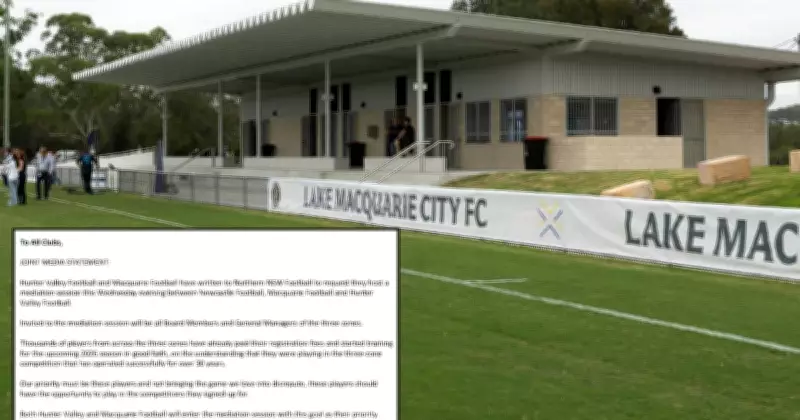
Community Football Plunged into Crisis Following Newcastle Withdrawal
The local football community has been thrown into a state of turmoil and uncertainty following the sudden withdrawal of Newcastle from key community leagues. This decision has sent shockwaves through the region, leaving clubs, players, and supporters grappling with the immediate and long-term implications for grassroots sport.
Immediate Fallout for Local Clubs
The withdrawal has created a significant void in the competition structure, forcing many clubs to scramble for alternative arrangements. Teams that were scheduled to face Newcastle are now left with fixture gaps, disrupting the season's flow and potentially affecting player morale and development. Financial pressures are mounting, as clubs rely on match-day revenue and sponsorship tied to league participation, which is now under threat.
Moreover, the move has sparked concerns about the sustainability of smaller clubs, which may struggle to absorb the loss of a major competitor. Community engagement is also at risk, with volunteers and fans feeling disheartened by the sudden change, potentially leading to decreased participation and support at the grassroots level.

Broader Implications for Grassroots Football
This incident highlights deeper issues within community football, including financial instability and organizational challenges. The withdrawal raises questions about the support systems in place for local leagues, with calls for increased oversight and resources to prevent similar crises in the future. Player pathways could be disrupted, as young talents may have fewer opportunities to compete at a high level, impacting the sport's development pipeline.
In response, stakeholders are urging for collaborative solutions, such as restructuring leagues or providing emergency funding to affected clubs. The situation underscores the need for robust planning and communication within football administrations to safeguard the sport's future at the community level.
Looking Ahead: Potential Resolutions and Challenges
As the community rallies to address this crisis, potential solutions include forming new alliances with neighboring regions or revising competition formats to accommodate the change. However, challenges remain, such as logistical hurdles and the time required to implement effective measures. The emotional toll on players and fans cannot be overlooked, with many expressing frustration over the lack of transparency in the decision-making process.
Ultimately, this event serves as a wake-up call for the broader football community, emphasizing the importance of resilience and adaptability in maintaining vibrant local sports ecosystems. The coming months will be critical in determining how well the region can recover and rebuild from this setback.