Iranian Coach Accuses State TV of Driving Players to Seek Asylum in Australia
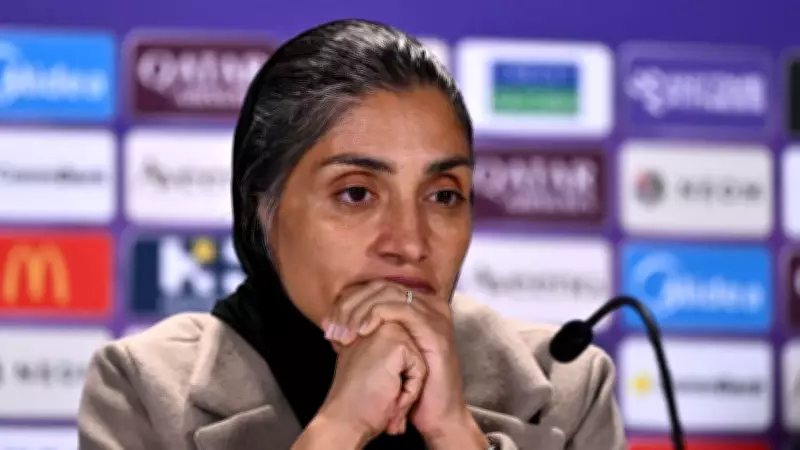
Coach Marziyeh Jafari has publicly stated that comments from an Iranian state television presenter during the Asian Cup tournament severely impacted the national women's football team psychologically. This situation ultimately led several players to seek asylum in Australia, where the competition was hosted.
Political Tensions and Team Silence Spark Controversy
The Australian-hosted Asian Cup commenced amidst heightened geopolitical tensions, coinciding with air strikes launched by the United States and Israel on Iran. These strikes resulted in the death of Supreme Leader Ali Khamenei, creating a charged atmosphere for the Iranian team.
During their opening match against South Korea, the Iranian women's team chose to stand in silence while their national anthem played. This act of silent protest prompted state TV presenter Mohammad Reza Shahbazi to label the players as "wartime traitors" on national broadcast.

Coach Jafari's Strong Condemnation of Media Comments
In a statement originally posted on the Iranian football federation's Telegram page on Friday, which has since been removed, Coach Jafari expressed her concerns. "Our girls were affected in the first match by the heavy atmosphere that had been created," she explained.
Jafari continued with a pointed criticism, "But the greater mistake was made by those who, at home, failed to understand that atmosphere and sounded the call to arms against the daughters of this land." This remark directly referenced the presenter's inflammatory comments.
"What I have asked of the federation is to pursue the matter, because it affected our players psychologically, and we suffered the consequences," Jafari emphasized. She firmly believes that "if that atmosphere had not been created, not a single one of our players would have stayed in Australia."
Asylum Outcomes and Team Dynamics
Australia has recently granted humanitarian visas to five Iranian players who sought asylum during the tournament. Additionally, two more squad members received asylum approval on Wednesday, while one player decided to return to Iran voluntarily.
Jafari revealed that "Australian police called the players in several stages and sat down with them one-on-one to persuade them to stay, influenced by the political atmosphere that had arisen." She noted, "Fortunately, the majority of the team members responded negatively."
Regarding specific players, Jafari mentioned that "Even Mohaddeseh Zolfi, who had responded positively, soon changed her mind and, God willing, will come to Iran with the team." She also addressed rumors about other players, stating, "The rumours about Golnoosh Khosravi and Afsaneh Chatrenoor are also not true at all, and they are now with us in Malaysia and we will be leaving for Iran soon."
Broader Implications for Iranian Sports
This incident highlights the complex intersection of sports, politics, and media in Iran. The psychological impact of public condemnation on athletes, particularly during international competitions, raises significant concerns about player welfare and freedom of expression.
The Iranian football federation's handling of this situation, including the deletion of Jafari's statement, suggests ongoing internal tensions. As the team prepares to return from Malaysia, the long-term effects of these events on Iranian women's football remain uncertain.