Greta Small Speaks Out After Missing Winter Olympics Selection
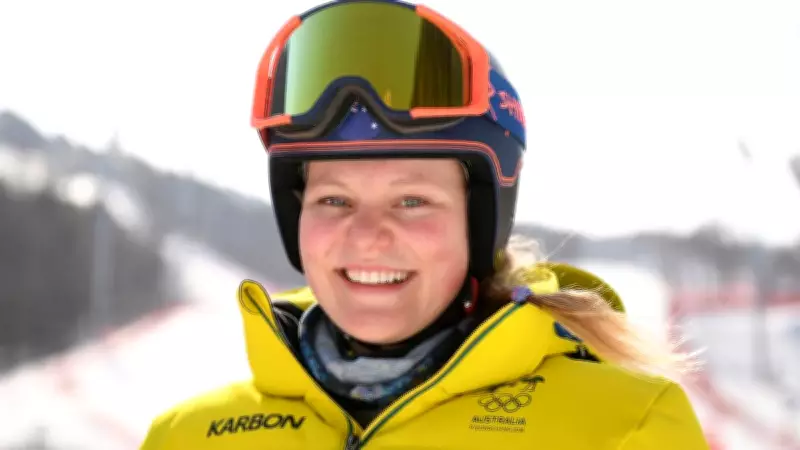
Three-time Olympian Greta Small has shared a heartfelt and detailed statement, confirming she was one of two Australian athletes who appealed their non-selection for this month's Winter Games. The 30-year-old alpine skier, who recovered from an ACL injury in time for Milano Cortina, fell short in her bid to compete at a fourth Olympics, leaving her devastated.
Olympic Veteran's Journey and Appeal Process
Small, who finished 13th in the alpine combined event at the Beijing Games four years ago—her best Olympic result—was not included when the full 53-member Australian team was announced last month. The alpine contingent remained undisclosed at that time, with two unnamed athletes appealing their non-selection for a single spot to the Court of Arbitration for Sport (CAS) in Switzerland.
This appeal was resolved shortly after the team selection, but the Australian Olympic Committee did not disclose whether the appeals were successful. Small has now revealed herself as one of those athletes, stating she self-represented at CAS without legal assistance, presenting her case respectfully but ultimately failing to secure a reversal.

Criticism of the Selection System
In her statement, Small expressed that her heartbreak stems not from the non-selection itself, but from the flawed process behind it. "As an athlete, I can accept when another athlete beats you outright—that is the nature of sport and competition," she wrote. "What is harder to accept is when broad discretionary decision-making powers are used to make decisions without a transparent or clearly evidenced fair process."
She highlighted that during her CAS hearing, Snow Australia could not provide evidence explaining how the nomination panel reached their conclusions. Small criticised the vague and discretionary nomination criteria, which she argued make it incredibly difficult for athletes in any sport to challenge selection decisions effectively.
Challenges with Discretionary Powers
The veteran skier, who competed in five events at the 2014 Winter Olympics as an 18-year-old and has been selected for downhill and combined skiing in the past three Games, pointed out specific issues:
- Lack of clear guidelines for comparing athletes across different alpine disciplines.
- Discretionary powers allowing selection committees to include or exclude results arbitrarily.
- Uncertainty and lack of clarity, which are challenging for athletes who thrive on structure and planning.
Small emphasised that this environment creates difficulties for athletes to fully understand and navigate the selection process, undermining fair competition.
Call for Reform and Future Hopes
Small's hope in sharing her experience is to foster positive change rather than division. She advocates for better systems, clearer processes, and greater transparency to support athletes now and in the future. "Strong sport depends not only on performance, but on fair, accountable, and well-governed decision-making," she asserted.
Despite her disappointment, Small extended her support to the 2026 Australian Winter Olympic team, wishing them luck and promising to cheer them on. Her story sheds light on the broader issues within sports selection mechanisms, urging a reevaluation for the sake of athlete welfare and competitive integrity.