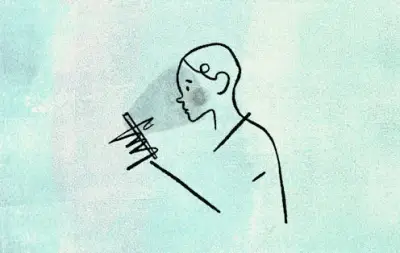
George Orwell's classic novel 1984, published in 1949, painted a grim picture of a totalitarian society where Big Brother watched every move. Today, nearly 75 years later, the dystopian surveillance described in the book echoes loudly in our modern world, fueled by advancements in technology.
Surveillance in the Digital Age
Modern technology has brought about unprecedented levels of monitoring. Governments and corporations alike deploy facial recognition systems, track online activities, and collect vast amounts of personal data. The concept of the telescreen, a two-way television that watched citizens in their homes, now seems less like fiction and more like a precursor to smart devices with always-on cameras and microphones.
AI and Predictive Policing
Artificial intelligence (AI) has become a powerful tool for surveillance. Predictive policing algorithms analyze data to forecast criminal activity, while AI-powered cameras scan crowds for suspicious behavior. These technologies, while intended to enhance security, also raise concerns about bias and the erosion of civil liberties.

In 1984, the Party controlled the past by altering records. Today, digital manipulation of images and videos, known as deepfakes, can create convincing false narratives. This ability to distort reality threatens the very concept of truth, much like the Party's manipulation of history in Orwell's novel.
Data Collection and Privacy
The collection of personal data by tech giants is another parallel. In 1984, the Party knew everything about its citizens. Today, companies like Google and Facebook track our online behavior, preferences, and even offline activities. This data is used for targeted advertising, but also can be accessed by governments, blurring the line between convenience and surveillance.
Public Reaction and Resistance
Just as Winston Smith rebelled in 1984, there is growing resistance to pervasive surveillance. Privacy advocates push for stronger data protection laws, and some individuals adopt encryption and other tools to shield their activities. However, the scale of modern surveillance makes individual resistance challenging.
Orwell's warning was clear: unchecked surveillance leads to oppression. As technology continues to advance, society must grapple with the trade-offs between security and privacy. The echoes of 1984 are louder than ever, reminding us to remain vigilant.