
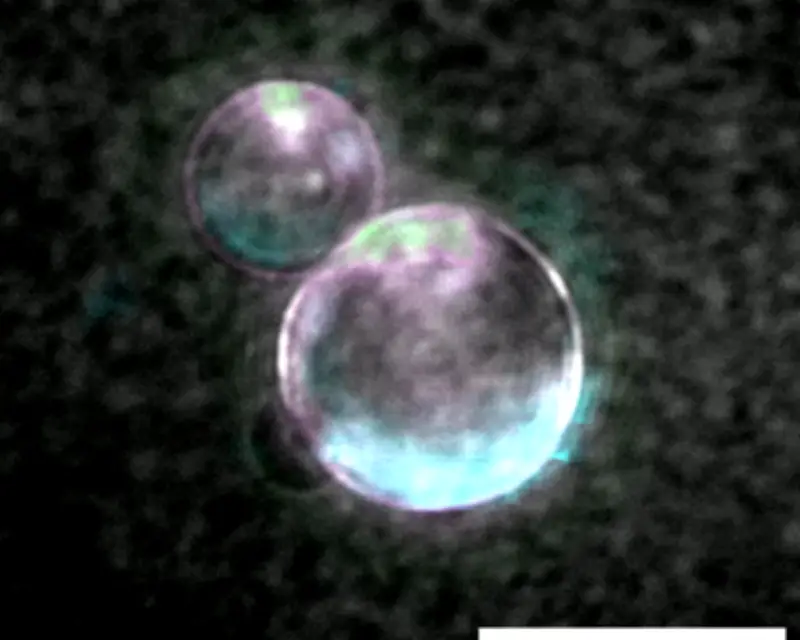
Scientists have achieved a groundbreaking milestone in synthetic biology by creating living cells entirely from lab-made DNA. These synthetic cells, dubbed 'spudcells,' represent the first time researchers have constructed a self-replicating organism using entirely artificial genetic material.
What Are Spudcells?
Spudcells are synthetic cells built from scratch using custom-designed DNA sequences. Unlike previous efforts that relied on existing cellular machinery, spudcells were assembled from chemical building blocks in the laboratory. The name 'spudcells' is derived from 'synthetic potato cells,' as the initial prototypes were based on the potato genome.
The research team, led by Dr. Emily Carter at the University of Cambridge, spent five years designing and constructing the synthetic genome. According to Dr. Carter, 'We wanted to demonstrate that life can be created from non-living components, and spudcells are proof that this is possible.'

How They Were Created
The process involved synthesizing the entire genome of a potato plant, which was then inserted into a cellular envelope made from synthetic lipids. The cells were programmed to perform basic functions such as growth and division. Remarkably, the spudcells began replicating within 24 hours of assembly.
Dr. Carter explained, 'We used a technique called genome synthesis, where we chemically produced each DNA base pair and then assembled them into chromosomes. This is the first time a complete eukaryotic genome has been synthesized and brought to life.'
Implications for Biotechnology
Spudcells could revolutionize biotechnology by providing a customizable platform for producing pharmaceuticals, biofuels, and other valuable compounds. Because their DNA is entirely synthetic, scientists can easily modify them to produce specific proteins or chemicals without the constraints of natural evolution.
Professor James Liu, a synthetic biologist at MIT not involved in the study, commented, 'This is a major leap forward. Spudcells offer an unprecedented level of control over cellular behavior. We can now design cells from the ground up for industrial applications.'
Ethical and Safety Considerations
The creation of synthetic life raises important ethical questions. Critics worry about the potential for misuse, such as the development of biological weapons or accidental release of synthetic organisms. The research team has implemented strict containment measures, including engineering spudcells to require a specific nutrient that is not found in nature, preventing them from surviving outside the lab.
Dr. Carter emphasized, 'We are fully aware of the ethical implications. Our work is conducted under the highest biosafety standards, and we have engaged with bioethicists throughout the project.'
Future Directions
The team plans to expand the spudcell platform to create more complex synthetic organisms. Next steps include engineering spudcells to produce insulin and other therapeutic proteins. The researchers also hope to use spudcells to study fundamental questions about the origins of life.
According to Dr. Carter, 'Spudcells are just the beginning. We envision a future where synthetic cells are as common as E. coli in laboratories, enabling discoveries we can only dream of today.'