
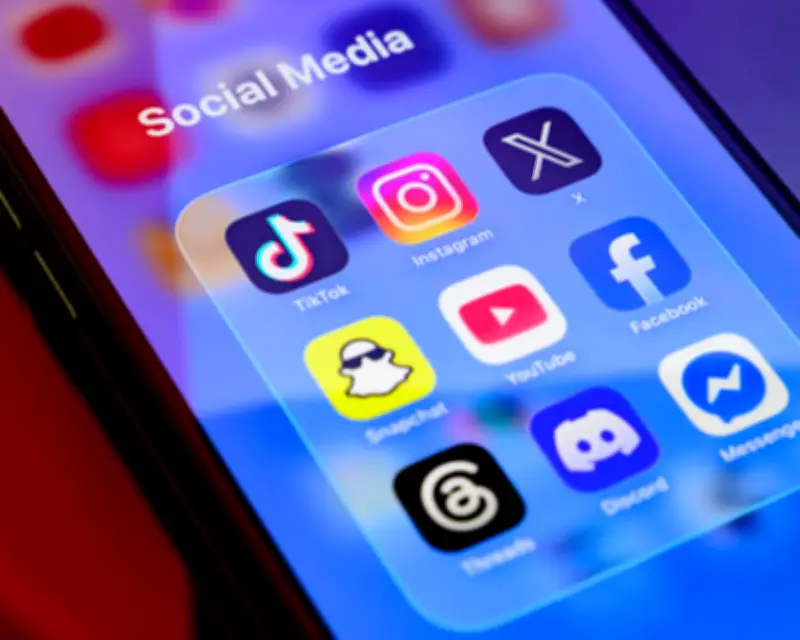
Australia must shift to an enforcement-first approach to make its landmark under-16 social media ban effective, experts have warned, urging the government to take a more aggressive stance against tech giants that fail to comply.
Experts call for aggressive enforcement
According to a group of digital policy experts, the federal government cannot rely on voluntary cooperation from platforms like Meta, TikTok, and Snapchat. Instead, it must be prepared to use fines, litigation, and real-time monitoring to ensure the ban sticks. The warning comes as the legislation, passed in November 2024, is set to take full effect in late 2025.
Dr. Alice Witt, a digital policy researcher at the University of Melbourne, said: “The government has been too passive. It needs to move into enforcement mode immediately, with a dedicated regulator and clear penalties for non-compliance. Otherwise, the ban will be toothless.”

Legislation details and industry reaction
The Social Media (Minimum Age) Act 2024 prohibits children under 16 from creating accounts on major platforms without parental consent. It requires platforms to take “reasonable steps” to prevent access, including age-verification technology. Non-compliance can result in fines of up to 5% of global annual turnover.
However, tech companies have pushed back, arguing that the law is impractical and could infringe on privacy. Meta has stated it would rather remove all under-16 users than risk penalties, while TikTok has called for a more collaborative approach.
Enforcement challenges and solutions
Experts say the current enforcement framework is weak. The Australian Communications and Media Authority (ACMA) is tasked with monitoring compliance, but it lacks the resources and technical expertise to effectively police the ban. Dr. Witt suggested creating a dedicated unit with powers to audit algorithms and demand data on underage users.
“We need a regulator that can issue fines quickly and take platforms to court if necessary,” she said. “The government should also consider a public naming-and-shaming system to increase pressure.”
Global context and precedents
Australia’s ban is the first of its kind globally, but similar measures are being considered in the UK, France, and parts of the US. Experts point to the European Union’s Digital Services Act as a model, which includes strict enforcement mechanisms and large fines for non-compliance.
Professor James Chin, a digital policy expert at the University of Sydney, said: “Australia can learn from the EU, which has been more willing to take on big tech. The government must show it is serious by taking a platform to court early on.”
Impact on children and families
The ban has divided parents and child safety advocates. Some welcome the move as a way to protect children from harm, while others worry it could limit access to educational content and social support. The government has said it will review the ban after 12 months and make adjustments as needed.
“The real test will be whether the ban reduces harm without cutting off legitimate benefits,” said Dr. Witt. “That requires ongoing monitoring and a willingness to adapt.”
Next steps for the government
The federal government has indicated it will introduce a new bill to strengthen enforcement powers later this year. Communications Minister Michelle Rowland said in a statement: “We are committed to making this law work. We will not hesitate to take action against companies that put profits before children’s safety.”
But experts say the government must act now, not later. “Delay will only embolden the tech giants,” Professor Chin warned. “The time for talking is over; it’s time for enforcement.”