Three weeks into a personal experiment, the results are strikingly positive. Better sleep, less anxiety, increased mental clarity, and a growing sense of control over time and attention. This isn't about giving up alcohol—that was done years ago with similar benefits. Instead, it's about walking away from social media entirely: no Facebook, no Instagram, no X (formerly Twitter), no BlueSky, no TikTok. No friends, no follows, no likes, no views.
The Dopamine Shift and Legal Battles
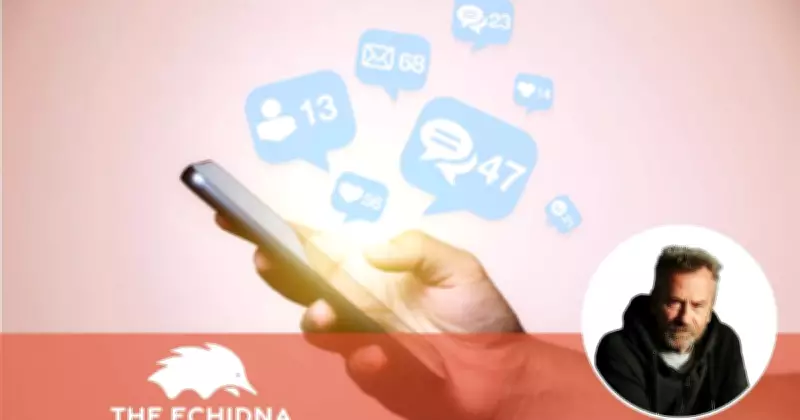
The familiar dopamine hit is still present, but now in measured doses and different forms. It no longer comes from likes or mentions but from glancing at a smartphone and seeing a growing number of ignored notifications as algorithms try to lure users back into what feels like a digital swamp. This addictive nature is central to a landmark court case underway in California, where a 19-year-old plaintiff is suing tech giants Meta and YouTube. The lawsuit alleges these companies negligently produced products that cause addiction, depression, and other harms.
Meta CEO Mark Zuckerberg and Instagram head Adam Mosseri may be called to testify. Meanwhile, TikTok and Snapchat have reportedly reached settlements before the trial began. The case argues that social media platforms are defective products that encourage addictive behaviour, falling under personal injury law. This scrutiny echoes 2024, when Zuckerberg faced Congress over dangers to children, issuing an unconvincing apology while the platforms remained largely unchanged.

Resisting the Digital Lure
Watching Facebook's torrent of notifications and emails feels akin to an overbearing drug dealer desperate to offload their wares. Yet, there's satisfaction in seeing the numbers rack up, a reminder that resistance is not futile. The absence of social media has meant no more funny dog videos, smartarse memes, tiresome political observations from both sides, constant unwanted ads, or AI-generated content. Even posting personal photos has ceased; instead, seascapes are printed, framed, and appreciated privately.
Quiet moments once filled with endless scrolling have been replaced with reading more books, rediscovering hobbies, and simply sitting still in contentment. While the experiment has weeks to run, it seems headed for a permanent separation. Each day off the platforms brings improvement, making the thought of returning increasingly unattractive. As Joni Mitchell sang, you don't know what you've got till it's gone—social media, that is.
Broader Implications and Reader Engagement
The case against social media giants highlights growing concerns about their impact on mental health, especially among younger users. It raises questions about whether these platforms should be regulated more strictly or even banned for under-16s, a topic sparking public debate. Readers are invited to share their thoughts: Is social media addictive? Have you managed to avoid it or been tempted to quit?
This personal journey underscores a broader societal shift towards digital mindfulness, as more people seek to reclaim their time and well-being from the grips of algorithm-driven platforms. The experiment serves as a testament to the potential benefits of disconnecting, offering a glimpse into a calmer, more controlled life beyond the noise of social media.