
About three-quarters of all agricultural crops rely on pollinator services, yet wild bees are declining at an alarming rate. A new study published in the journal Nature reveals the hidden human health costs of this phenomenon, showing that crucial nutrients are disappearing from diets as a result.
The Impact on Isolated Communities
In Nepal’s remote Jumla district, where the Karnali highway provides the only land link to the rest of the country, the 120,000 residents are almost entirely self-sufficient. Local beekeepers have observed that roughly half of their bees have vanished over the past decade, but the impact extends far beyond honey production.
“They saw these bees as valuable for honey, but they didn’t really realise that they were also essential for supporting the production of their crops,” says Thomas Timberlake, an ecologist at the University of York and lead author of the study.

Quantifying the Health Impact
Timberlake and his colleagues tracked people’s diets, crop yields, and farming income over a one-year period in 10 remote Jumla villages. They also painstakingly counted pollen granules on bee bodies to measure pollinator interactions with crops. The results were striking: pollinators were directly responsible for more than 20% of inhabitants’ vitamin A, vitamin E and folate intake, and 44% of their farming income.
“These types of communities are so vulnerable because they are very isolated geographically. There are not good trade links into there, and they’re very poor,” says Timberlake. “If the yields of local fruits and vegetables decline, they are not going to be able to supplement that by buying imported foods. They just are not going to eat those fruits and vegetables.”
Global Consequences of Pollinator Decline
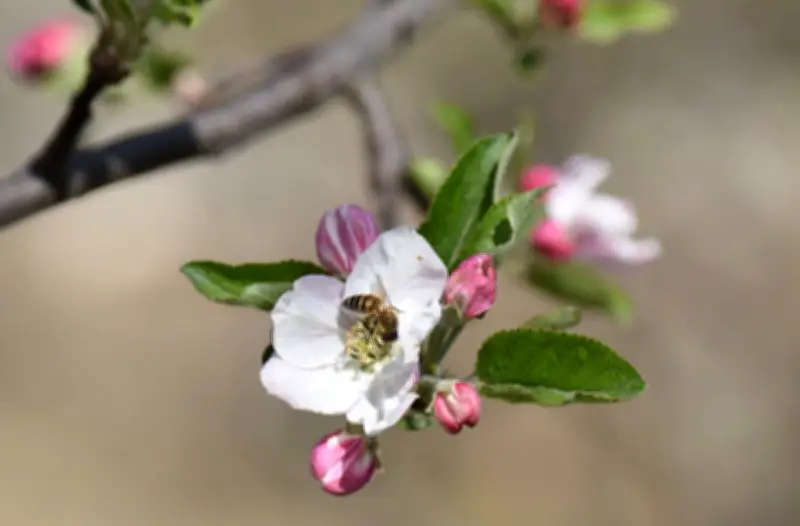
While birds, bats and butterflies are all pollinators, bees are the most prolific. Honeybees and wild bees move pollen from the male anther to the female stigma, fertilising plants to produce seeds and fruits. About three-quarters of all agricultural crops rely on this service.
Pollinators across the world are in peril due to habitat loss, pesticides (especially neonicotinoids), climate change, and invasive species. The IPBES estimated in 2016 that more than 40% of bee species may be threatened globally. In 2025, the IUCN red list found that at least 172 bee species in Europe are at risk of disappearing.
Health Risks Beyond Isolated Areas
A 2015 modelling study in the Lancet predicted that if all pollinators collapsed, an additional 1.4 million people would die each year from malnutrition-related diseases. More recent research led by Sam Myers at Johns Hopkins University found that between 3% and 5% of vegetable, fruit and nut production is lost due to inadequate pollination, leading to an estimated 500,000 additional deaths annually.
“Most of that mortality was in parts of eastern Europe, and former Soviet Republic places,” says Myers. “Fruit, vegetables, nuts and seeds help to prevent heart disease, stroke and diabetes. If we lose our pollinators around the world, those commodities are going to get more expensive because the yields are going to fall.”
Solutions and Policy Implications
Simple interventions such as planting wildflowers, providing bee nesting sites and reducing pesticides could help pollinator populations recover and boost crop yields. Timberlake’s research found that such measures could raise farmer income by up to 30% and improve diets enough to lift 9% of the population out of nutrient deficiency.
In Nepal, NGOs are now working with the government to create a national pollinator strategy. “Hopefully, decision-makers will start to explore best practices for ensuring a healthy pollinator population as part of ensuring a healthy human population,” says Myers.
Bees also pollinate about 28,000 medicinal plants used by 80% of the world’s population for primary healthcare, including echinacea and chamomile. Additionally, pollinators contribute to green spaces that benefit mental health and environmental quality.
While drawing clear links between human health and pollinator health remains challenging, quantifying these benefits can help convey the importance of conservation to the public and shape effective policy.