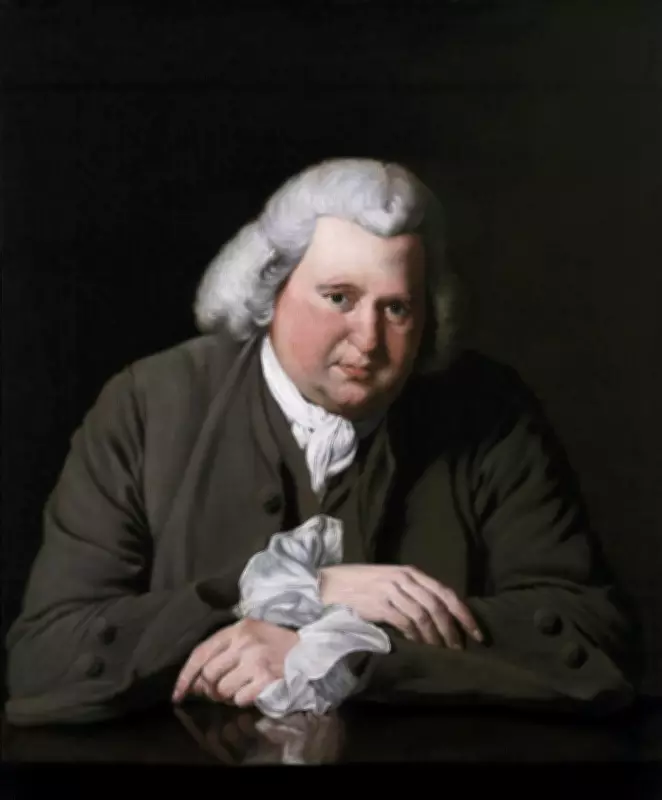
Unveiling the Renaissance Genius: Erasmus Darwin's Home and Garden
Nestled in the heart of Lichfield, Staffordshire, the former residence of Dr Erasmus Darwin stands as a captivating museum, offering a deep dive into the life of a true polymath. As the grandfather of the famed naturalist Charles Darwin, Erasmus was a medical doctor, scientist, inventor, and poet whose work laid early groundwork for evolutionary biology. A short train ride from Birmingham brings visitors to this historic site, where they can explore his meticulously restored home and enchanting gardens.
The Enchanting Herb Garden: A Sensory Delight
Upon arrival, guests are drawn to Erasmus Darwin's famed herb garden, accessible through an entrance facing the south court of Vicars' Close. With the three spires of Lichfield Cathedral looming nearby, the garden comes alive with intermittent rain and bursts of sunshine, releasing the aromas of myriad herbs into the cool air. In the Apothecary's Garden, visitors encounter plants like agrimony, angelica, bergamot, and borage, while the Scented Garden features roses, lavender, rosemary, and sweet cicely, creating an intoxicating atmosphere reminiscent of a Georgian romance.
The garden is thoughtfully divided into themed sections, including a Kitchen Garden and a Dyer's Garden, where dye-producing plants such as madder and tansy thrive. Most plants are labeled for easy identification, and the paving stones bear inscriptions by sculptor Denis Parsons. Near the entrance, a relief sculpture of Erasmus, also crafted by Parsons, adds an artistic touch to the serene setting.

Inside the Historic House: A Glimpse into Erasmus' World
The main house offers a fascinating journey through Erasmus Darwin's life and achievements. Visitors can stand in the Lunar Room, where he famously met with the Lunar Society of Birmingham, a group of influential thinkers including James Watt, Josiah Wedgwood, and Joseph Priestley. Other highlights include Erasmus' study, featuring a desk with a fossilised fern; the parlour, where recordings of his poetry can be heard; and the library, which provides a picturesque view of the herb garden.
Perhaps the most captivating space is the inventions room, which houses working models of his creations, such as the Speaking Machine and Flying Bird, alongside interactive exhibits. On loan from English Heritage, Erasmus' private Commonplace Book is displayed, with facsimiles revealing his imaginative drawings and descriptions of practical inventions, often compared to the notebooks of Leonardo da Vinci.
The Legacy of a Renaissance Man
Born in Nottinghamshire and educated at Cambridge, Erasmus Darwin (1731-1802) was regarded by contemporaries as one of Europe's most significant literary and scientific figures. His contributions to evolutionary biology anticipated his grandson Charles' work by decades, a debt acknowledged by Charles in a co-authored biography. Despite many of his inventions never reaching fruition, his influential publications, including Zoonomia and The Botanic Garden, remain in print today.
This museum not only preserves Erasmus Darwin's legacy but also invites visitors to immerse themselves in the intellectual and creative spirit of the Enlightenment era, making it a must-see destination for history and science enthusiasts alike.