Indigenous Artist Receives Prestigious Award for Prison Service Work
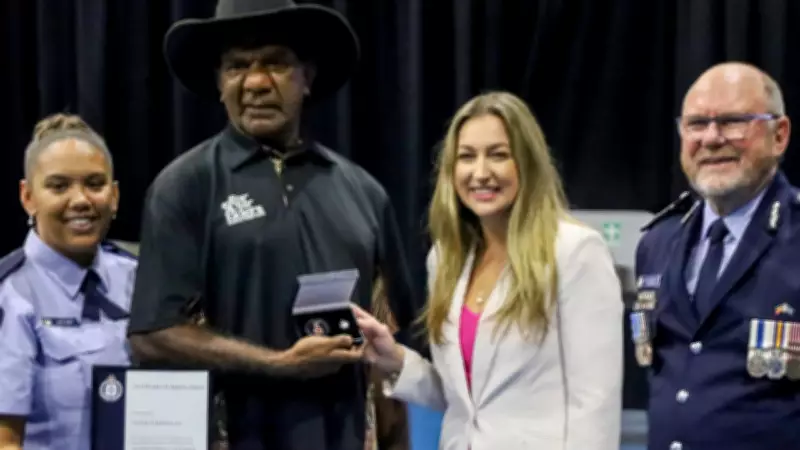
A First Nations artist from the South Burnett region has been formally honoured for her significant and transformative contributions to Queensland Corrective Services. Her work, which integrates traditional Indigenous art practices into prison rehabilitation programs, has been recognised as a vital tool for fostering cultural connection, personal growth, and positive behavioural change among inmates.
Bridging Culture and Correctional Services
The artist, whose identity is celebrated within the community, has dedicated years to developing and implementing art-based initiatives within Queensland's correctional facilities. These programs are designed not only as creative outlets but as therapeutic interventions that help inmates explore their identities, express emotions, and build skills for reintegration into society. By incorporating elements of First Nations culture, such as storytelling through visual art, the initiatives promote a deeper understanding of Indigenous heritage and encourage respect and empathy among participants.
The recognition highlights the growing importance of culturally sensitive approaches in the justice system. Queensland Corrective Services has increasingly acknowledged the value of such programs in reducing recidivism and supporting rehabilitation. The artist's efforts have been praised for their ability to humanise the prison environment, offering inmates a sense of purpose and community that extends beyond incarceration.

Impact on Rehabilitation and Community
Through workshops and collaborative projects, the artist has facilitated numerous art sessions that have produced meaningful works, some of which have been displayed in exhibitions to raise awareness about prison reform and Indigenous issues. This not only provides inmates with a platform for expression but also challenges public perceptions of those in the correctional system. The programs have been reported to improve mental well-being, reduce incidents of conflict, and enhance inmates' self-esteem, contributing to a safer and more constructive prison atmosphere.
Moreover, the artist's work extends to community engagement, involving local Indigenous groups and correctional staff in the process. This collaborative approach ensures that the programs are respectful of cultural protocols and aligned with broader goals of reconciliation and social justice. The award serves as a testament to the artist's commitment to using art as a catalyst for positive change, bridging gaps between Indigenous communities and the justice system.
Future Directions and Broader Implications
The honouring of this artist underscores a shift towards more holistic and inclusive strategies in corrective services across Queensland. As similar programs gain traction, there is potential for expansion into other regions and correctional settings, leveraging art as a universal medium for rehabilitation. The success of these initiatives may inspire further investment in cultural programs, recognising their role in addressing the root causes of criminal behaviour and supporting long-term societal integration.
In summary, the recognition of this First Nations artist is a significant milestone in the intersection of art, culture, and justice. It celebrates not only individual achievement but also the broader impact of creative interventions in transforming lives within the prison system. As Queensland continues to innovate in corrective services, such contributions are likely to play an increasingly vital role in fostering rehabilitation and cultural understanding.