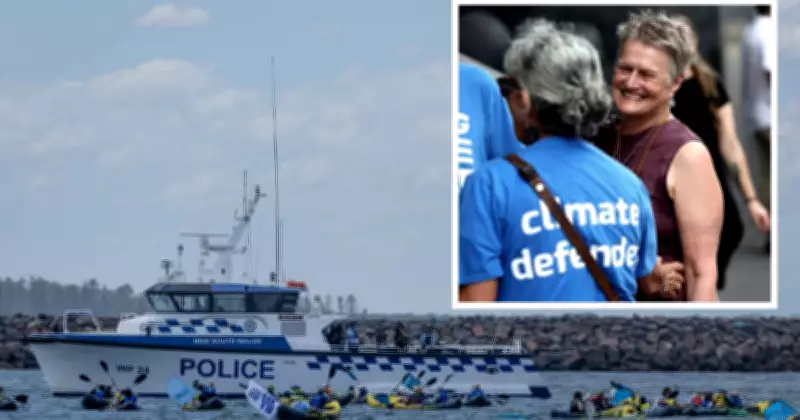
Climate Activist Escapes Conviction in Newcastle Court Over Rising Tide Protest
A climate activist associated with the Rising Tide environmental group has successfully avoided a criminal conviction following a protest at Newcastle's coal port. The case was heard in a Newcastle court, where the magistrate decided against imposing a conviction, taking into account the activist's previously clean record and the non-violent character of the demonstration.
Details of the Court Proceedings
The activist faced charges related to their involvement in a protest aimed at highlighting the environmental impacts of coal exports from the Port of Newcastle. During the hearing, the court heard submissions about the activist's background, including their commitment to environmental causes and lack of prior offenses. The magistrate emphasized that while the protest involved civil disobedience, it was conducted peacefully and without causing harm to persons or property.
In delivering the decision, the magistrate noted that the activist had shown remorse and understanding of the legal boundaries, factors that contributed to the lenient outcome. The ruling allows the activist to continue their advocacy without the burden of a criminal record, which could have affected future employment or travel opportunities.

Context of the Rising Tide Protest
The protest was part of a broader campaign by Rising Tide, a group focused on climate action, particularly targeting fossil fuel industries in Australia. Newcastle, as one of the world's largest coal export hubs, has been a frequent site for such demonstrations. Activists argue that continued coal mining and export contribute significantly to global greenhouse gas emissions and climate change.
This case underscores the ongoing tensions between environmental activists and industrial operations in the region. Similar protests have occurred elsewhere in Australia, often leading to legal challenges. The outcome in Newcastle may set a precedent for how courts handle cases involving climate-related civil disobedience, balancing legal accountability with the right to protest.
Reactions and Implications
Environmental groups have welcomed the court's decision, viewing it as a recognition of the legitimacy of peaceful protest in advocating for climate action. They argue that such rulings support democratic expression and the urgency of addressing environmental issues. Conversely, industry representatives have expressed concerns that leniency might encourage further disruptions, potentially impacting economic activities and port operations.
Legal experts suggest that this case highlights the judiciary's role in navigating complex issues at the intersection of law, activism, and environmental policy. It may influence future legal strategies for both activists and prosecutors in similar contexts. The activist involved has stated their intention to continue participating in climate advocacy, albeit with a renewed awareness of legal risks.
Overall, the incident reflects the growing public debate over climate change in Australia, with courts increasingly called upon to adjudicate cases involving environmental protests. As climate activism gains momentum, such legal outcomes could shape the landscape of civil disobedience and its consequences in the years to come.