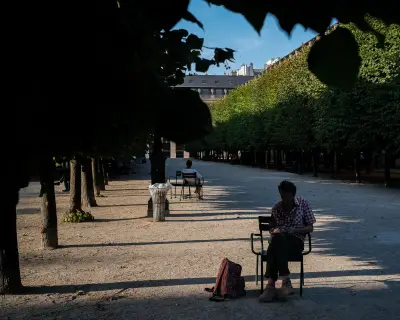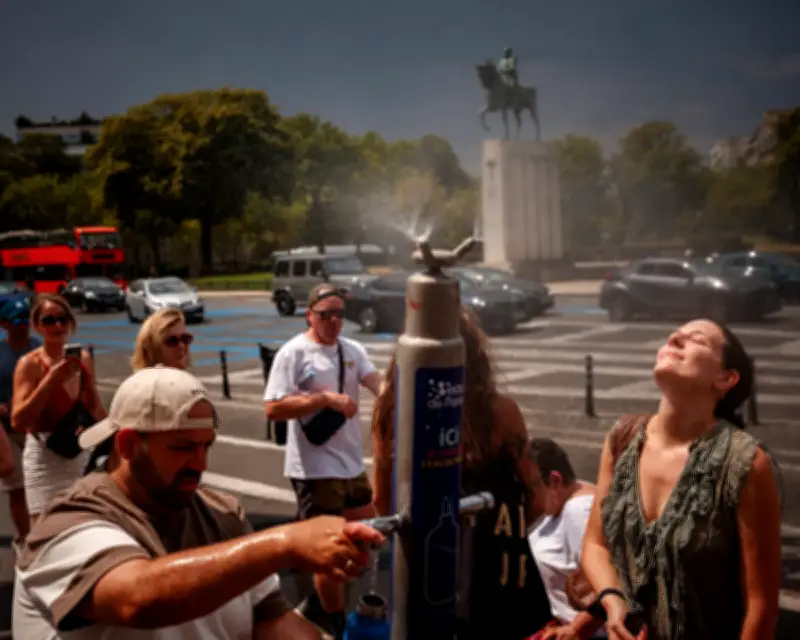
Record-breaking heatwaves sweeping across multiple continents are exposing deep-seated inequalities, with low-income and marginalized communities bearing the brunt of the crisis. According to a new report from the United Nations Development Programme, the number of dangerously hot days has tripled in the past decade, and the burden falls heaviest on those without access to air conditioning, green spaces, or adequate healthcare.
Disparities in cooling access
In cities like Phoenix, Arizona, and Delhi, India, the temperature gap between affluent and poor neighborhoods can exceed 10 degrees Celsius. Wealthier areas are often shaded by trees and have modern cooling systems, while poorer districts suffer from heat-absorbing concrete and limited electricity. The report notes that over 1.2 billion people globally lack access to reliable cooling, and this number is expected to rise as temperatures climb.
Health impacts and mortality
Heat-related deaths are surging, with the World Health Organization estimating that over 166,000 people died from heatwaves between 1998 and 2017, and the toll is increasing. In the recent European heatwave, excess mortality among people over 65 was 30% higher in low-income neighborhoods compared to affluent areas. Dr. Maria Neira, WHO director for environment and health, stated: “Heat is a silent killer, and it preys on the vulnerable.”

Economic consequences
The economic impact is also unequal. Outdoor workers, many in agriculture or construction, face lost wages and health risks. A study by the International Labour Organization found that heat stress could reduce global working hours by 2.2% by 2030, equivalent to 80 million full-time jobs, with developing countries losing the most. In India alone, heat-related productivity losses could reach $450 billion by 2050.
Policy responses and solutions
Governments are beginning to act. Several cities have established cooling centers, and countries like France have implemented heatwave warning systems. However, advocates call for more structural changes, such as increasing green spaces, improving housing insulation, and providing subsidies for cooling. The report urges that climate adaptation funds be directed to the most vulnerable, emphasizing that extreme heat is not just a weather event but a justice issue.