

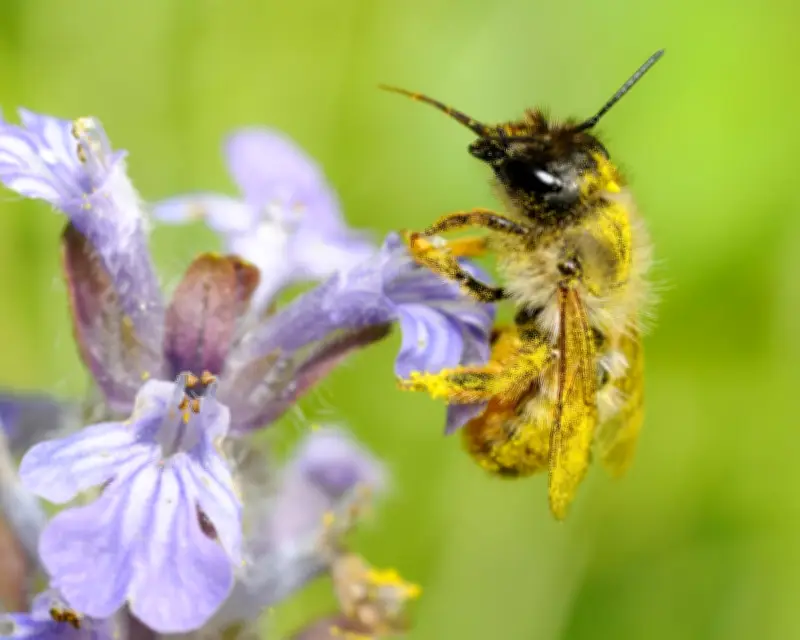
A study has revealed that heatwaves severely diminish bees' fertility, with significant implications for the pollination of food crops in subsequent years. Researchers at the University of Hull simulated a three-day UK heatwave in the lab and measured its effect on solitary red mason bees compared with those kept under control conditions of an ordinary summer.
Sharp Decline in Sperm Activity
After nine months, both sets of bees had spun their cocoons and hibernated as normal. However, when the researchers dissected the bees, they discovered that the sperm activity of males from the heatwave group had dropped by half compared with the control group. Females in the heatwave group showed a 15% reduction in the size and number of developing eggs.
Implications for Pollination
More than 90% of the UK's 270 or so bee species are solitary and do not have nest-mates to help out. The findings, published in the Journal of Thermal Biology, suggest a heatwave could lead to a big drop in the number of bees the next year, with less efficient pollination for key food crops such as apples and oilseed rape.