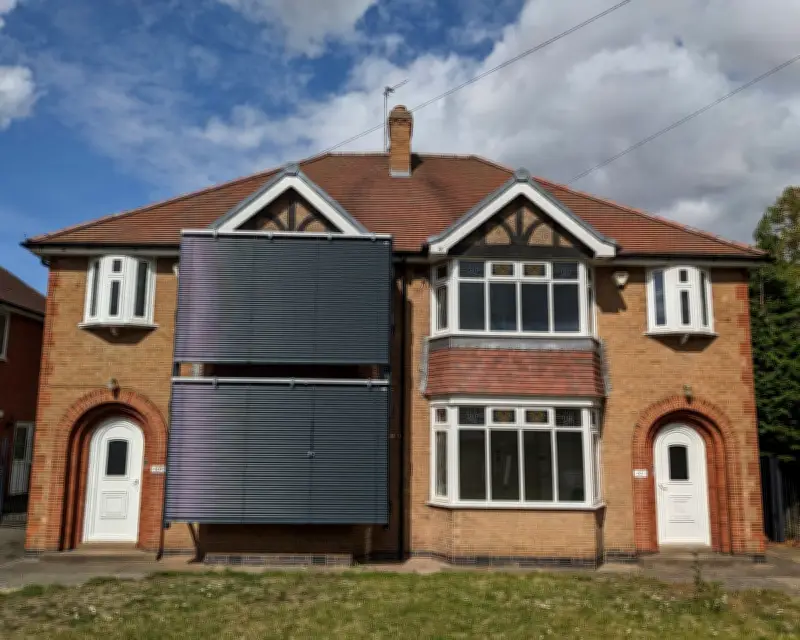
With climate change supercharging heatwaves across the UK, keeping homes cool has become a critical challenge. According to the UK Health Security Agency, indoor temperatures can exceed outdoor ones during prolonged hot spells, posing serious health risks. Shading is one of the most effective and low-cost solutions.
Why Shading Matters
Direct sunlight through windows can raise indoor temperatures by 10-15°C compared to shaded rooms. A study by the University of Oxford found that external shading reduces indoor temperatures by up to 7°C during peak heat. This can cut cooling energy use by 30-50% in buildings with air conditioning, though many UK homes lack it.
External Shading: The Most Effective Option
External blinds, awnings, and shutters block heat before it enters. The Energy Saving Trust recommends south- and west-facing windows as priority areas. Retractable awnings cost from £200 to £1,500, while external roller shutters can cost up to £3,000 but offer security benefits. Planting deciduous trees or climbing plants like wisteria on south-west walls provides natural shade and cooling through evapotranspiration.

Internal Shading and Reflective Films
Internal blinds and curtains are less effective but still helpful. Reflective window films can reject up to 80% of solar heat, reducing indoor temperatures by 2-4°C. These films cost around £10-30 per square metre and are DIY-friendly. However, they also reduce winter solar gain, so removable films are recommended.
Low-Cost and Temporary Measures
For renters or those on a budget, aluminium foil-covered cardboard placed behind windows can reflect heat outward. Closing curtains during the day and opening windows at night for cross-ventilation is a free method. The Met Office advises keeping windows shaded from 10am to 4pm.
Government and Community Support
Some local councils offer grants for external shading under energy efficiency schemes. The government's Heatwave Plan for England advises checking on vulnerable neighbours and using public cooling centres. As climate change intensifies, the UK may need to mandate passive cooling in new builds, similar to regulations in southern Europe.