
The United Kingdom is grappling with the reality of a warming planet, and its iconic landscapes are at the forefront of the battle. From the rolling hills of the Cotswolds to the rugged coastlines of Cornwall, climate change is reshaping the environment at an unprecedented pace. The question now is not whether change will come, but how the UK can adapt its landscapes to survive and thrive in an increasingly hot world.
The Current State of UK Landscapes
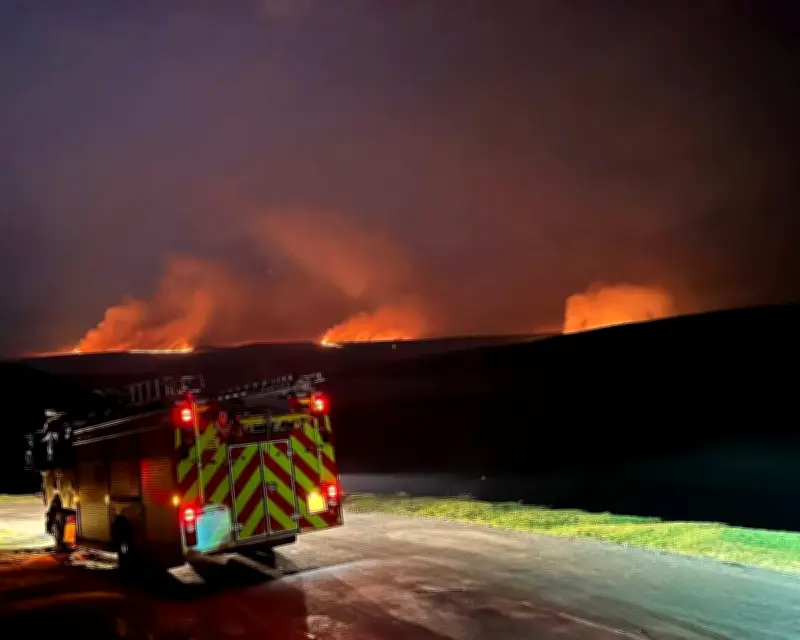
According to a 2025 report by the UK Climate Change Committee, average summer temperatures in the UK have risen by 1.5°C since the pre-industrial era. This has led to more frequent heatwaves, prolonged droughts, and increased flooding. The UK's landscapes, which have been shaped by centuries of human activity, are now under stress. For example, the peatlands of the Peak District, which store vast amounts of carbon, are drying out and releasing greenhouse gases rather than sequestering them.
Dr. Eleanor Smith, a landscape ecologist at the University of Oxford, explains: "Our landscapes are not static; they are dynamic systems that respond to climate. But the speed of change is outstripping their natural ability to adapt. We need to intervene thoughtfully."

Rewilding as a Solution
One of the most talked-about strategies is rewilding: allowing nature to take the lead in restoring ecosystems. Projects like the Knepp Estate in West Sussex have shown that reintroducing keystone species such as beavers and wild cattle can help manage water flow, reduce flood risk, and increase biodiversity. The UK government has committed to creating a network of wilder landscapes, aiming to restore 30% of land for nature by 2030.
However, rewilding is not without controversy. Farmers worry about losing productive land, and some conservationists argue that it can romanticize a pre-human past. Yet, the benefits are becoming clear. A 2024 study by the British Ecological Society found that rewilded areas in the UK absorb up to 40% more carbon than intensively farmed land.
Water Management and Flood Defenses
As the climate warms, the UK is experiencing more intense rainfall events, leading to devastating floods. Traditional flood defenses like concrete walls are increasingly seen as inadequate. Instead, natural flood management techniques are gaining traction. These include creating wetlands, planting trees along riverbanks, and restoring meanders to slow water flow.
The Environment Agency has invested £5.2 billion in flood defenses since 2020, with a growing portion allocated to nature-based solutions. In Yorkshire, the "Slow the Flow" project has reduced peak flood flows by 15% by installing leaky dams and reforesting upland areas.
Urban Landscapes and Heat Resilience
Cities are also part of the landscape challenge. Urban heat islands, where concrete and asphalt absorb and radiate heat, can make cities several degrees warmer than surrounding areas. The UK's response includes green roofs, urban forests, and cool pavements. London alone has planted over 2 million trees since 2020 as part of its Urban Forest Strategy.
Manchester has introduced a city-wide green infrastructure plan, requiring all new developments to include green spaces. According to the city council, this has reduced peak summer temperatures by up to 3°C in some neighborhoods.
Policy and Funding Challenges
Despite these initiatives, critics argue that the UK's efforts are too slow and underfunded. The National Trust, which manages over 250,000 hectares of land, has called for a dedicated climate adaptation fund. A 2025 report by the Wildlife Trusts estimated that the UK needs to spend £1.5 billion annually on landscape adaptation to meet its climate goals.
"We are in a race against time," says Mark Brown, CEO of the Wildlife Trusts. "The government must prioritize long-term investment in our natural heritage, or we risk losing it forever." The UK's 2026 budget allocated £800 million for nature-based solutions, a 20% increase from the previous year, but still short of the estimated need.

Conclusion
Protecting the UK's landscape in a hotter world requires a multifaceted approach: embracing rewilding, rethinking water management, greening cities, and securing adequate funding. The stakes are high, as the landscape is not only a source of beauty but also a critical buffer against climate extremes. As Dr. Smith puts it: "We have the knowledge and tools; now we need the will to act."