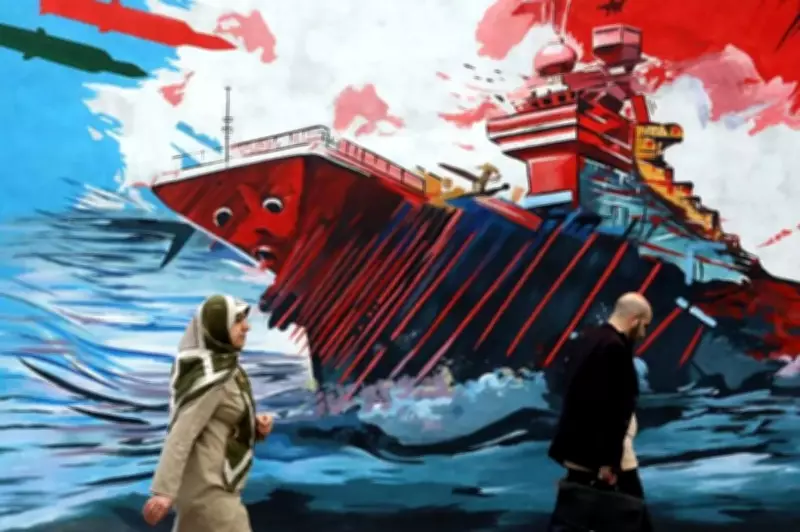
Iran's naval forces have seized two foreign ships in the strategic Strait of Hormuz, a move that has significantly escalated tensions in the region. The vessels were reportedly intercepted on Wednesday morning, with Iranian authorities claiming they were involved in fuel smuggling.
Details of the Seizure
The Islamic Revolutionary Guard Corps (IRGC) announced that its navy captured the ships during a routine patrol. According to state media, the vessels were carrying approximately 500,000 litres of smuggled fuel. The crews, comprising 12 foreign nationals, have been detained pending investigation.
This incident marks the latest in a series of maritime confrontations in the waterway, through which about 20% of the world's oil passes. The Strait of Hormuz is a critical chokepoint for global energy supplies, and any disruption can have far-reaching economic consequences.

International Reactions
The international community has reacted swiftly, with several nations condemning the seizure. The United States called for the immediate release of the ships and crew, while the United Kingdom expressed deep concern over the safety of navigation in the area. The European Union urged restraint and dialogue to avoid further escalation.
Iran defended its actions, stating that it is exercising its sovereign right to combat smuggling. The IRGC commander asserted that Iran will not tolerate any illegal activities in its territorial waters.
Impact on Global Markets
Oil prices jumped in early trading following the news, with Brent crude rising by 2.5%. Analysts warn that continued instability could lead to higher energy costs, affecting economies worldwide. The Strait of Hormuz remains a focal point for geopolitical rivalries, and this seizure adds to a history of tensions between Iran and Western powers.
Shipping companies are now considering alternative routes, though none are as efficient or cost-effective. The insurance premiums for vessels transiting the strait are expected to rise, further impacting global trade.
Background and Context
Iran has previously seized tankers in the region, often citing environmental or legal violations. In 2019, a British-flagged tanker was captured amid diplomatic standoffs. The latest incident comes as negotiations over Iran's nuclear program remain stalled, and sanctions continue to strain its economy.
The seizure also coincides with increased military drills by Iran in the Gulf, showcasing its naval capabilities. Analysts suggest that Tehran is leveraging its strategic position to exert pressure in ongoing geopolitical disputes.
As the situation develops, all eyes are on the diplomatic channels to prevent a broader conflict. The international community is calling for de-escalation, but the path forward remains uncertain.