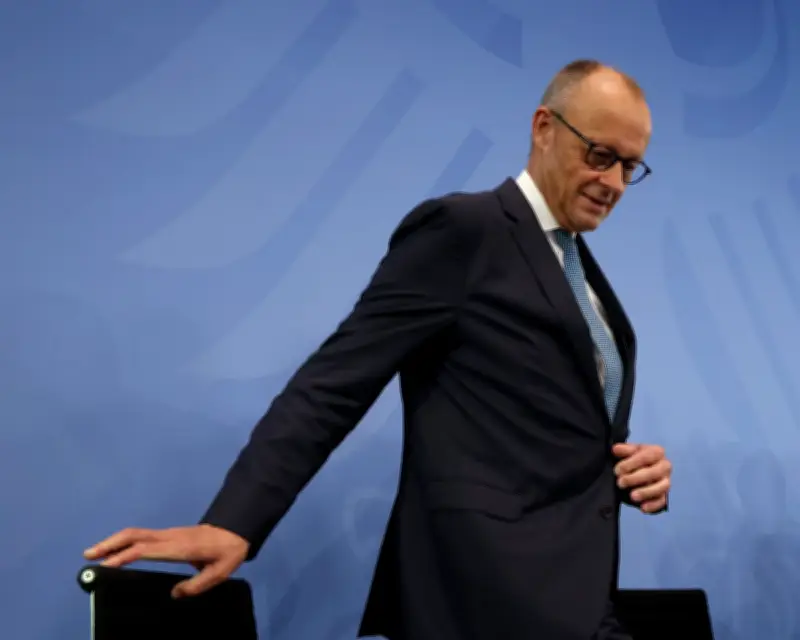
Friedrich Merz, leader of Germany's Christian Democratic Union (CDU), has proposed raising the retirement age to 70 by 2050 as part of a comprehensive pension reform package. The plan, unveiled on Tuesday, aims to address the financial strain on Germany's pay-as-you-go pension system caused by the country's ageing population and declining birth rate.
Key Details of the Proposal
Under the proposed reforms, the retirement age would gradually increase from the current 67 to 70 by 2050, with adjustments linked to life expectancy. Merz also suggested incentivising later retirement by offering higher pension benefits for those who work beyond the statutory age. Additionally, the plan includes measures to encourage private pension savings and to increase the contribution rate from employers and employees.
According to a CDU policy paper, the current system is unsustainable: by 2035, the number of pensioners per 100 workers is projected to rise from 35 to 50. Without reform, pension contributions would need to increase from 18.6% of gross wages to over 22% by 2040, or the federal subsidy would have to double.

Political and Public Reaction
The proposal has sparked immediate backlash from opposition parties and trade unions. The Social Democratic Party (SPD) accused Merz of attacking workers' rights, while the Greens warned that raising the retirement age would disproportionately affect those in physically demanding jobs. The German Trade Union Federation (DGB) called the plan “unacceptable” and argued that it would increase old-age poverty.
“This is a direct assault on the welfare of millions of workers,” said DGB chair Yasmin Fahimi. “Instead of making people work longer, we should ensure that all workers can retire with dignity after a lifetime of hard work.”
However, business groups welcomed the proposal. The Federation of German Industries (BDI) stated that the reform is necessary to maintain the competitiveness of the German economy and to prevent a sharp rise in non-wage labour costs.
Context and Challenges
Germany's pension system has been under pressure for years due to the baby boomer generation reaching retirement age. The government currently spends around €300 billion annually on pensions, accounting for nearly a third of the federal budget. The CDU's proposal is part of a broader set of economic reforms ahead of the next federal election, where the party hopes to regain the chancellery from the SPD-led coalition.
Merz defended the plan, stating that it is designed to ensure intergenerational fairness. “We cannot burden our children and grandchildren with unsustainable pension promises,” he said. “A responsible policy must adapt the retirement age to rising life expectancy.”
Critics argue that the reform would hit low-income workers and those in manual labour hardest, as they tend to have shorter life expectancies and are less likely to be able to work into their late 60s. The CDU has proposed creating a “pension fund for hard work” to support such workers, but details remain vague.
The plan also includes measures to increase the employment rate among older workers, such as tax incentives for companies that hire seniors and better opportunities for lifelong learning. Germany's employment rate for people aged 60-64 currently stands at around 60%, below the OECD average.