Conclave: The Secret Political Lobbying to Elect a Pope
The election of a Pope is one of the most closely watched and mysterious processes in the world, steeped in centuries of tradition and secrecy. While the public sees the white smoke and the announcement from St. Peter's Square, the reality is that intense political lobbying and covert negotiations unfold behind the scenes during the papal conclave. This article delves into the hidden world of Vatican politics, where cardinals engage in strategic manoeuvres to influence the outcome.
The Mechanics of the Conclave
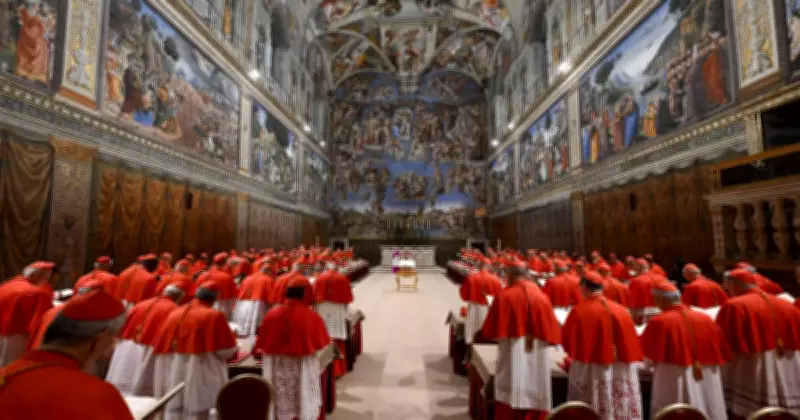
The conclave is a closed-door assembly of cardinals under the age of 80, who gather in the Sistine Chapel to elect a new Pope. The process begins with a series of ballots, where a two-thirds majority is required for election. However, this formal procedure masks a complex web of informal discussions and alliances that shape the voting. Cardinals often form blocs based on geographical regions, theological views, or personal loyalties, engaging in what amounts to secret political lobbying to sway undecided voters.
Historically, these negotiations have been crucial in determining the direction of the Catholic Church. For example, during the 2013 conclave that elected Pope Francis, reports suggest that cardinals from developing nations lobbied heavily for a candidate who would address global poverty and reform the Vatican bureaucracy. This behind-the-scenes activity highlights how the conclave is not just a spiritual event but a highly political one, with stakes that extend far beyond the Vatican walls.

Key Players and Strategies
In the days leading up to the conclave, cardinals participate in general congregations—meetings where they discuss church issues and, informally, gauge support for potential candidates. This period is ripe for lobbying, as factions emerge and strategies are devised. Senior cardinals, often from influential dioceses or with roles in the Roman Curia, play pivotal roles in these efforts. They may host private dinners, hold one-on-one meetings, or use intermediaries to promote their preferred candidates, all while maintaining a veneer of discretion.
One common strategy is to build consensus around a compromise candidate who can bridge divides within the College of Cardinals. For instance, if there is a split between progressive and conservative factions, lobbying might focus on a moderate figure who can appeal to both sides. This requires careful negotiation and often involves promises of future appointments or policy shifts, mirroring the political horse-trading seen in secular governments.
Secrecy and Modern Challenges
The oath of secrecy taken by all participants is meant to prevent external influence and ensure a prayerful decision, but it also shrouds the lobbying in mystery. Cardinals are forbidden from discussing the proceedings, and any breach can result in excommunication. Despite this, leaks and rumours often surface, offering glimpses into the intense politicking. In recent years, modern technology has added new layers to the process, with concerns about electronic eavesdropping leading to enhanced security measures, such as jamming devices in the Sistine Chapel.
Moreover, global issues like the church's response to sexual abuse scandals, financial reforms, and interfaith relations have made the lobbying more contentious. Cardinals now lobby not only based on theological grounds but also on managerial competence and public perception, reflecting the church's need to address contemporary challenges. This evolution shows how the conclave's secret political lobbying continues to adapt, balancing ancient traditions with modern realities.
Implications for the Catholic Church
The outcome of this lobbying has profound implications for the Catholic Church's future. A Pope elected through such negotiations may inherit a mandate shaped by backroom deals, influencing their papacy's priorities. For example, if lobbying emphasises reform, the new Pope might focus on transparency and accountability. Conversely, if conservative factions prevail, the church could maintain a more traditional stance.

This process underscores the dual nature of the papacy: as a spiritual leader and a political figure. While the faithful look to the Pope for guidance, the election itself is a testament to the enduring power of political lobbying within one of the world's oldest institutions. As the church navigates issues like climate change, migration, and secularisation, the secret manoeuvres of the conclave will remain a critical, if hidden, force in shaping its trajectory.