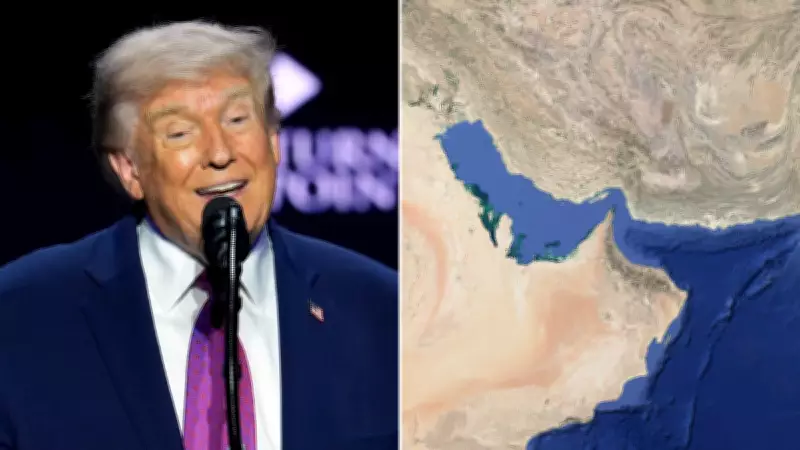
Middle East Conflict Enters Second Month with Dramatic Escalation in Strait of Hormuz
The war in the Middle East has now entered its second month, with a previously fragile ceasefire completely shattered by a major escalation that has spread instability across the region and into Europe. This new phase of conflict follows the initial US and Israeli air strikes, known as Operation Epic Fury, which targeted Iran and resulted in the deaths of Ayatollah Ali Khamenei and several senior Iranian leaders.
Operation Epic Fury Sends Shockwaves Through Global Markets
The initial military strikes sent profound shockwaves through critical global sectors, including shipping, air travel, and oil. Energy costs have surged dramatically, while business operations in the strategic Strait of Hormuz—a vital global trade hub—have faced severe disruption. The economic fallout from these actions continues to ripple through international markets, heightening concerns about prolonged instability.
Iran Launches Aggressive Attacks on Commercial Shipping
In a significant escalation, Iranian forces have attacked three commercial vessels attempting to navigate the Strait of Hormuz. The attacks occurred mere hours after US President Donald Trump announced an extension of the ceasefire between the United States and Iran, highlighting the rapid breakdown of diplomatic efforts.

The targeted ships include the Epaminondas, the MSC Francesca, and the Euphoria. Iranian forces opened fire on these vessels and successfully seized two of them, reportedly escorting the cargo ships back to Iranian shores. Iranian authorities have claimed that the three vessels violated maritime rules by failing to obtain proper permission and by scrambling their navigation systems while transiting the strait.
International Response and Crew Safety Concerns
Initial reports indicate that one of the attacked vessels is Greek-operated. The Greek foreign minister has confirmed that the ship sustained significant damage, but all crew members onboard are safe. Similarly, all crew members on the other two seized ships have been reported as safe, alleviating immediate humanitarian concerns amidst the military confrontation.
This aggressive move by Iran marks a dangerous new chapter in the Middle East conflict, directly threatening one of the world's most crucial maritime chokepoints and risking further international involvement. The situation remains highly volatile, with global leaders closely monitoring developments that could impact energy security and international trade on an unprecedented scale.