Middle East Conflict Enters Second Month Amid Fragile Ceasefire and Regional Escalation
The ongoing war in the Middle East has now reached its second month, with a delicate ceasefire currently holding across the region. This development comes as the conflict has spread to Europe and escalated dramatically following targeted air strikes by the United States and Israel against Iran. These military actions resulted in the deaths of Ayatollah Ali Khamenei and several senior Iranian leaders, marking a significant escalation in hostilities.
Operation Epic Fury Sends Shockwaves Through Global Markets
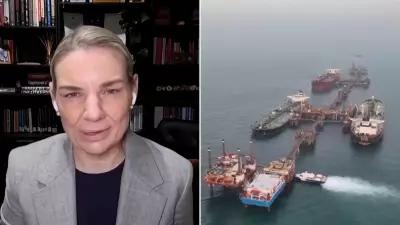
The coordinated strikes, officially designated as Operation Epic Fury, have created profound ripple effects across multiple critical sectors worldwide. The global shipping industry, international air travel networks, and oil markets have all experienced severe disruptions. These disturbances are contributing to rapidly rising energy costs and significant business interruptions in strategic waterways that serve as vital hubs for international trade.
The economic consequences are particularly pronounced in key maritime corridors that facilitate global commerce, with analysts warning of potential long-term impacts on supply chains and energy security.

Iranian Delegation Arrives in Pakistan for Crucial Talks
In a significant diplomatic development, an Iranian delegation has arrived in Islamabad, Pakistan, for scheduled talks with United States representatives. The delegation landed in the Pakistani capital amid heightened tensions and complex preconditions for negotiations.
Iranian Parliament Speaker Mohammad Bagher Ghalibaf, who will lead the talks for Iran, emphasized through social media that specific conditions must be met before substantive discussions can commence. These prerequisites include the implementation of a ceasefire in Lebanon and the release of Iran's previously blocked financial assets.
High-Level Iranian Representatives Participate in Negotiations
The Iranian negotiating team includes several prominent government figures:
- Foreign Minister Abbas Araghchi
- Supreme National Security Council Secretary Ali Akbar Ahmadian
- Central Bank Governor Abdolnaser Hemmati
- Selected members of the Iranian parliament
According to reports from Iran's semi-official Fars News Agency, Tehran has formally accepted the terms of the current two-week ceasefire agreement. However, the agency issued a stark warning that if hostilities resume, Iran will target US interests throughout the region along with Israeli assets.
Pakistan Facilitates Diplomatic Engagement
Pakistani officials, including Foreign Minister Ishaq Dar, formally received the Iranian delegation in Islamabad. The Pakistani Foreign Ministry released an official statement expressing optimism that all parties would engage constructively in the negotiation process.
The statement further emphasized Pakistan's hope for achieving a lasting and durable solution to the ongoing conflict, highlighting the importance of diplomatic resolution to prevent further regional destabilization.
The talks represent a critical opportunity for de-escalation as the conflict enters its second month, with global attention focused on whether diplomatic channels can succeed where military actions have escalated tensions across multiple regions.