Middle East Conflict Enters Second Month Amid Fragile Ceasefire and Regional Escalation
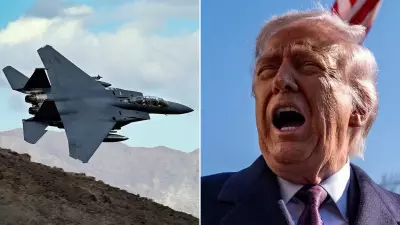
The war in the Middle East has now reached its second month, with a precarious ceasefire holding as the conflict spreads to Europe and intensifies across the region. This escalation follows a series of devastating air strikes launched by the United States and Israel against Iran, resulting in the deaths of Ayatollah Ali Khamenei and several senior Iranian leaders.
Operation Epic Fury Sends Shockwaves Through Global Markets
Dubbed Operation Epic Fury, these military actions have sent profound shockwaves through critical sectors worldwide, including shipping, air travel, and oil. The strategic Strait of Hormuz, a vital global trade hub, has been severely disrupted, leading to rising energy costs and significant business interruptions. This disruption threatens to destabilize international supply chains and economic stability.
Trump Downplays Peace Talks Amid Ongoing Negotiations
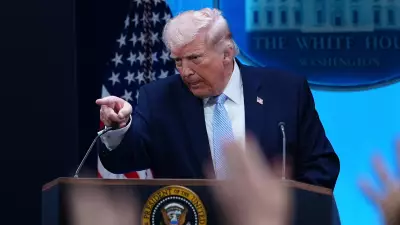
Speaking to reporters outside the White House on Saturday, US President Donald Trump claimed a military victory against Iran and minimized the importance of ongoing ceasefire negotiations. Vice President JD Vance is involved in these talks, but Trump asserted, "regardless what happens we win." He added, "Let’s see what happens – maybe they make a deal maybe they don’t. It doesn’t matter. From the standpoint of America, we win."

Trump acknowledged that "very deep negotiations" are underway with Iran. However, he also revealed that the US military is actively searching for mines in the Strait of Hormuz, which remains effectively closed to most freighters transporting oil and natural gas from the Persian Gulf, exacerbating the global energy crisis.
Marathon Peace Talks in Islamabad Seek Path to Stability
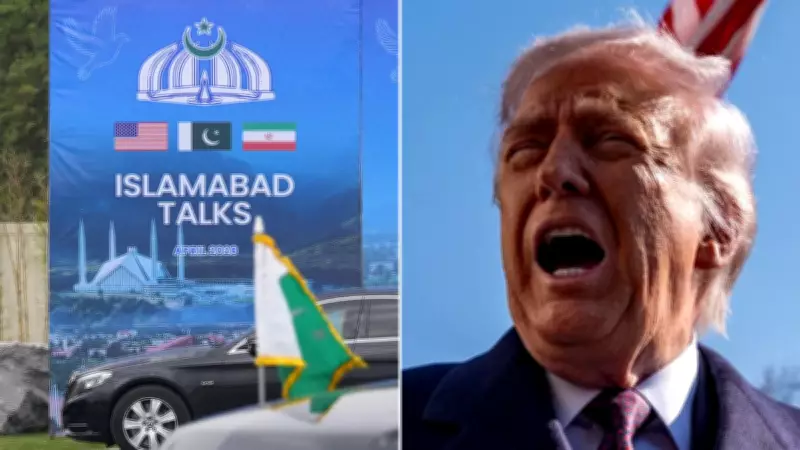
Top officials from the United States and Iran have been engaged in marathon peace talks for over six hours in Islamabad, Pakistan. A US delegation led by Vice President JD Vance traveled to the Pakistani capital to participate in these crucial discussions with Iran's Parliament Speaker Mohammad Bagher Qalibaf and Pakistan’s Prime Minister Shehbaz Sharif.
The trilateral talks commenced around 1am AEST, aiming to reinforce a tenuous ceasefire established earlier this week. For lasting peace, Iran has demanded that the United States agree to unblock its international assets and extend the ceasefire to cover Lebanon. This demand comes in response to Israel launching 100 airstrikes across Lebanon in a ten-minute span just hours after the ceasefire was signed, killing more than 300 people and jeopardizing the agreement.
The United States continues to express concerns over being blocked from using the Strait of Hormuz, highlighting the ongoing tensions and complexities in achieving a sustainable resolution to the conflict.