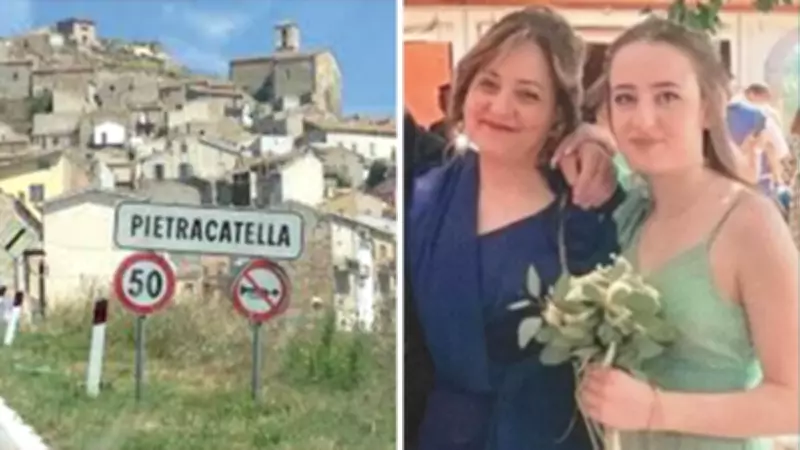
Mother and Daughter Die from Ricin Poisoning in Italy, Echoing Australian Murder Case
A mother and her teenage daughter have tragically died from ricin poisoning in a small Italian village, with the case drawing disturbing comparisons to Australia's infamous beef Wellington mushroom murders. The deaths of 50-year-old Antonella Di Ielsi and her 15-year-old daughter Sara Di Vita occurred in the quiet town of Pietracatella, where they initially appeared to suffer from severe food poisoning after a family meal.
Forensic Tests Reveal Lethal Toxin
In a shocking development, forensic examinations have confirmed the presence of ricin in both victims' systems. Ricin is an exceptionally potent and rare poison historically associated with Cold War-era assassinations. This discovery has transformed what was initially considered a tragic accident into a full-scale murder investigation, with authorities now working to determine how the deadly substance was administered.
The case bears striking similarities to the high-profile Australian conviction of Erin Patterson, who received a life sentence for serving toxic death cap mushrooms in a beef Wellington that killed three people in Victoria. Like that notorious incident, the Italian victims became violently ill following a shared meal, experiencing intense nausea, vomiting, and debilitating stomach pain before their conditions deteriorated rapidly.

Family Tragedy Unfolds
Both Antonella and Sara were initially sent home from medical care before returning as their symptoms worsened dramatically. They died just days later as their bodies shut down at what investigators described as "extraordinary speed." Sara's father, Gianni Di Vita, also became ill from the same meal but survived the poisoning. The couple's older daughter was not present during the fateful dinner, a detail that has become central to the ongoing investigation.
Detectives are urgently working to establish how the ricin—a highly dangerous toxin derived from castor beans—entered the family's food system. No suspects have been identified yet, but authorities fear the poison may have been deliberately introduced into their meal. The investigation is complicated by the rarity of ricin and its association with premeditated attacks rather than accidental exposures.
Community in Shock
The peaceful village of Pietracatella has been left reeling by the tragedy, with residents struggling to comprehend how such a suspected premeditated poisoning could occur in their close-knit community. Mayor Antonio Tommasone expressed the collective disbelief, stating, "We are a small community and everyone has always got on with each other, there has never been any tension. We are like family. We trust the investigators but we are struggling to believe this was anything but an accidental death."
Friends of Sara Di Vita revealed they spoke with the teenager on Boxing Day, just hours before her condition deteriorated catastrophically. They shared, "We last spoke to Sara on Boxing Day, over the phone. She believed the heavy treatment at the hospital would be sufficient and didn't expect her condition to deteriorate." The sudden turn of events has left the community mourning the loss of two beloved members while grappling with the possibility of foul play in their midst.
As Italian authorities continue their investigation, the case serves as a chilling reminder of how domestic settings can become crime scenes, with parallels to previous high-profile poisoning cases continuing to emerge. The international attention on this tragedy highlights the global nature of such crimes and the ongoing challenges in detecting and preventing deliberate poisonings within family and community contexts.