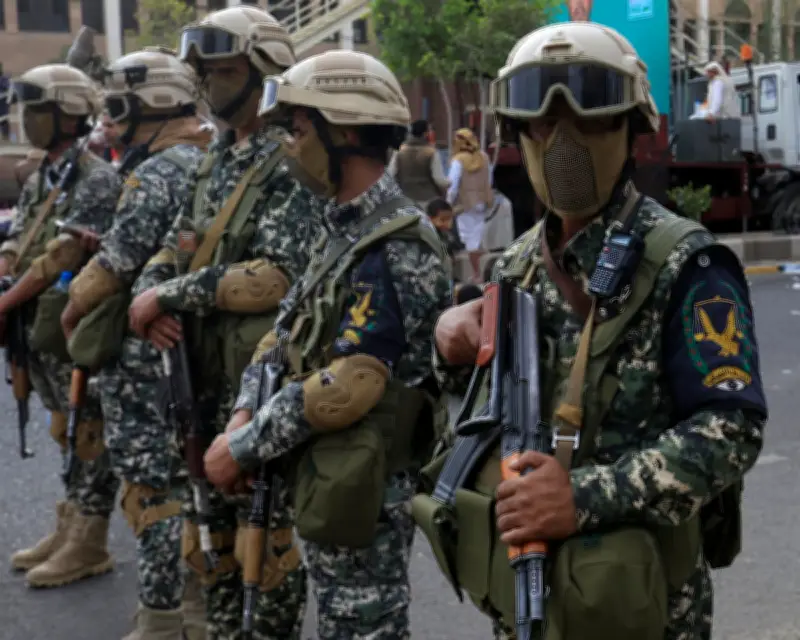
Analysts and Western leaders believe Iran will increase support for militia groups despite a recent deal between the US and Tehran, according to discussions during US Secretary of State Marco Rubio's brief Middle East visit. Gulf leaders expressed deep anxiety that the agreement fails to address continued Iranian efforts to project power through proxies.
Gulf Concerns Over Iran's Regional Influence
Rubio admitted that Gulf leaders shared "very concrete concerns" and insisted any definitive agreement must require Iran to halt support for Hamas, Hezbollah, Iraqi militias, and the Houthis. However, analysts and Western security officials predict Iran will likely increase backing for such groups after the conflict, which reinforced Tehran's strategic thinking.
Hezbollah's Role Amidst Setbacks
Hezbollah remains central to Iran's coalition despite severe losses in clashes with Israel in 2024 and 2025. The group failed its primary strategic role of deterring an Israeli strike, but Tehran remains committed. "The Iranians see this as a temporary bad phase and believe Hezbollah will regenerate," said Hanin Ghaddar, senior fellow at the Washington Institute for Near East Policy. "It is absolutely vital for the Revolutionary Guards to rebuild their proxies."

Houthi Independence and Iraqi Militia Caution
The Houthis in Yemen demonstrated their ability to target Israel and threaten Red Sea shipping, but remain more independent. "The [Houthis] are very hardcore ... but have their own decision-making processes," Ghaddar noted. In Iraq, Shia militia supported by Iran flexed muscles but avoided full escalation. "They are more risk-averse than perhaps the Iranians would like," said Michael Knights of Horizon Engage.
Failed US-Israeli Plans with Kurdish Groups
US and Israeli efforts to mobilize Kurdish fighters against Iran proved abortive. Former officials revealed a plan for thousands of Kurdish fighters backed by US special forces, but only a few hundred were available. Kurdish leaders were wary after a perceived US "betrayal" in Syria. Turkish President Erdogan's opposition also influenced US reconsideration.
Proxies in Syria and Gaza
Israeli intelligence has reportedly supported a new Druze militia in Syria, while in Gaza, Israel built Palestinian militias to fight Hamas. However, these efforts have had limited success. "They will in no way change the strategic situation in Gaza ... They have zero popular support," said analyst Michael Milshtein. Across the region, the temptation to use proxies remains despite risks, as seen in conflicts in Syria, Libya, and Sudan.