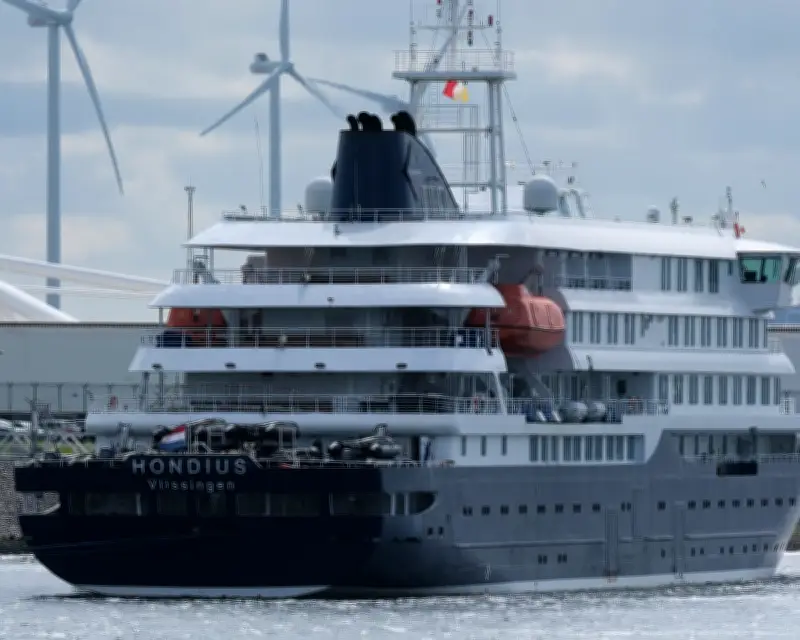
The MV Hondius cruise ship incident, which could have escalated into a global hantavirus disaster, was averted due to quick thinking and international collaboration, according to Dr Matthew Dryden. Writing in response to Devi Sridhar's article on the outbreak, Dryden emphasises the role of the UK Overseas Territories (UKOTs) programme, funded by the Foreign Office and managed by the UK Health Security Agency. This programme supports health services in small, vulnerable communities with limited medical resources.
Key Role of Astute Doctor
Dryden highlights that an astute doctor on Ascension Island recognised a cluster of cases when a sick passenger from the MV Hondius was brought ashore. Newly developed diagnostic equipment on the island helped exclude common causes. 'We knew we were dealing with something unusual,' Dryden writes. A cross-continental meeting involving Ascension, the UKOT programme infection doctor, the ship company's medical adviser, and a colleague from the National Institute for Communicable Diseases in South Africa led to the diagnosis of hantavirus after tracking down samples from two medevaced patients.
Preventing Wider Outbreak
This diagnosis alerted the World Health Organization and national public health organisations, averting a potential disaster. Without this intervention, the ship would have sailed to Cape Verde, and passengers incubating the virus could have spread it globally. Dryden praises the 'lean but effective programme' for its close communication and strengthening of health services.

Global Inequality Highlighted
Dr Brian Jones, however, points out that such fortune does not extend to all. He notes that the Batwa pygmies in Uganda and the Democratic Republic of the Congo are fighting the Bundibugyo strain of Ebola, a rare variant with no approved vaccine or treatment. Jones argues that until all people have equal access to public health measures, the world remains vulnerable to novel infectious diseases exacerbated by inequality and privilege.
This content was originally published by The Guardian and is reused here with permission.